A mate texted us last week asking whether he should chase down a second-hand mini console or just buy a handheld emulator off a local retailer’s website and “sort it out himself.” That one question is basically the whole state of retro gaming in 2026 in a nutshell. There has never been more legitimate, well-made ways to replay the games you grew up with, and there has also never been more confusing overlap between official products, grey-market boxes and hardware that exists purely to run other companies’ software without asking permission. Our take, up front: the gap between the best and worst options in this space is bigger than almost any other category we cover, and the marketing from all sides makes them look more similar than they are.
Why retro gaming is still growing
Nostalgia is doing a lot of the heavy lifting, obviously, but it’s not just that. A chunk of the audience buying retro hardware now is parents wanting to hand their own childhood to their kids without handing over a phone loaded with in-app purchases. Another chunk is players who are frankly exhausted by 100-hour open-world games with battle passes and want something they can finish in a weekend. We’d also argue, and this is the mildly unpopular bit, that a lot of “retro” releases today are better designed than the originals. Rewind features, save states anywhere, and widescreen filters aren’t cheating, they’re quality-of-life improvements nobody in 1994 had the chance to ask for.
Official mini consoles: where they stand in 2026
The mini console boom that started with the NES and SNES Classic Editions years back has slowed, but it hasn’t stopped. What’s changed is that first-party manufacturers now treat these as occasional, carefully timed releases rather than an annual cash grab, and the build quality shows it. Official minis from Nintendo, Sega and others typically run original or faithfully emulated code licensed properly, with curated game lists, proper button mapping and controllers that actually feel like the originals. The trade-off is you’re locked to whatever’s on the cartridge, so to speak. No adding your own ROM files, no USB storage expansion on most of them, and the games you want most might not be in the lineup at all.
Pricing on these units generally sits somewhere around $100 to $150 at the time of writing depending on which system and how many controllers are bundled, which isn’t nothing for a device that plays, say, 20 to 30 fixed games. We reckon they’re worth it for the gift-giving crowd and for anyone who wants a plug-and-play box under the telly with zero setup faff. If you want deeper control over your library, that’s not what these are for.
Official collections on modern consoles
This is the category that’s improved the most. Rather than a dedicated box, publishers are increasingly bundling remastered back catalogues straight into PlayStation, Xbox and Switch storefronts, often with online leaderboards, rewind, and sometimes full visual overhauls alongside the untouched original mode. These collections tend to be the best value in the whole retro space because you’re paying once for a dozen-plus games with proper licensing, no legal grey area, and support from people who actually own the source code.
The catch is fragmentation. One publisher’s collection lives on one console’s store, another’s lives somewhere else, and there’s no single subscription that rounds it all up neatly. If you’re already paying for cloud gaming services compared, it’s worth checking whether your existing subscription already includes a classics library before buying a standalone collection twice.
Handheld emulation devices and the legal grey zone
This is where things get genuinely messy, and where we think most of the recent hype has outpaced the sensible advice. Dedicated retro handhelds running Android-based or custom firmware, sold by small manufacturers mostly out of China, have exploded in popularity because they’re cheap, often under $150, and can run everything from original Game Boy software through to early PlayStation 2 and GameCube titles depending on the chipset.
The hardware itself is not illegal to own or sell in Australia. What gets dicey is the software people load onto it. Running emulator software you’ve written or legitimately licensed is one thing. Downloading ROM files of games you don’t own a legitimate copy of is a breach of copyright under Australian law, full stop, regardless of how old the game is or whether the publisher still sells it. The Australian Copyright Council’s public information guides make clear that copyright in a game doesn’t expire just because it’s old or out of print. We’d argue the “it’s abandoned, so it’s fine” line that gets repeated in forums is wrong and everyone sharing it knows it’s wrong, they just don’t want to hear it.
Where it gets genuinely fine, legally and ethically: dumping ROMs from cartridges or discs you physically own, for personal backup, using your own hardware. That’s a defensible grey area most legal commentary treats as low risk. Downloading someone else’s dump of a game you’ve never owned is not the same thing, even if the end result on screen looks identical.
What we’d actually recommend buying
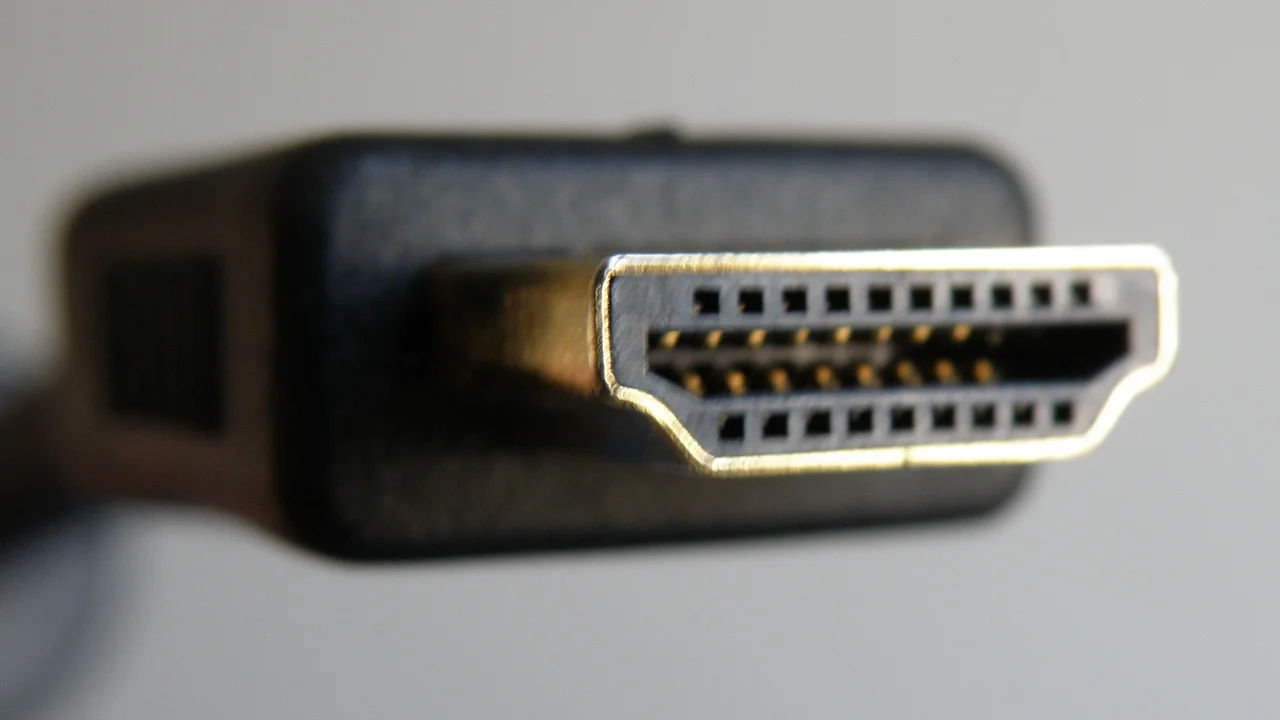
If you want the simplest, safest path and don’t mind a limited game list, an official mini console or a first-party collection on a system you already own is the easy pick. No faffing with file formats, no copyright headache, and the games are generally patched to run properly on modern TVs with none of the input lag that plagued some early CRT-to-HDMI setups.
If you own actual cartridges gathering dust in a box in the garage, and plenty of us do, a handheld emulation device paired with your own ROM dumps is a genuinely good use of hardware that would otherwise sit unused. We’d rather see someone play their own childhood copy of a game through modern hardware than let the cartridge rot. Just don’t go topping up the collection from a dodgy ROM site afterwards and call it the same thing.
For anyone building or upgrading a PC partly for this kind of thing anyway, our realistic budget gaming PC build piece covers a setup that’ll run basically any emulator going, including the demanding ones for sixth-generation consoles, without breaking the budget.
Frame rates, fidelity, and whether it’s actually fun
Here’s the bit that gets lost in all the hardware talk: plenty of these old games were built around 50 or 60 frames per second on CRT displays with completely different input timing to what we’re used to now, and some emulation setups genuinely nail that feel while others don’t. We’ve played versions of the same mid-90s platformer that felt buttery and tight on one handheld and distinctly floaty and delayed on another, despite both claiming “full compatibility.” Spec sheets and compatibility lists don’t tell you anything about feel, and feel is the entire point of going back to these games in the first place. A fast, mechanically faithful remaster of a scrappy old game will always beat a technically superior but mushy-feeling emulation, in our book. This is the one spot where we’ll drop a gaming comparison and say it plainly: buying retro hardware purely on spec sheet numbers is like buying a car purely on horsepower and ignoring how the steering feels. The number tells you part of the story, not the whole one.
If you’re shopping for a handheld specifically, read reviews that discuss input latency and frame pacing, not just “how many systems it emulates,” because that number is almost always inflated and the practical difference between a device claiming 60 systems and one claiming 40 is usually negligible for anyone who actually plays rather than collects.
The Australian angle on pricing and support
Most of the smaller handheld manufacturers don’t have local Australian distribution, local warranty support, or anyone to call if a unit arrives dead. That’s a real cost even if the sticker price looks appealing next to an official console. If something goes wrong, Australian Consumer Law protections enforced by the ACCC’s consumer rights guidance still technically apply to goods sold to Australian consumers, but chasing a remedy from an overseas seller with no local presence is a genuinely frustrating process, and we’ve heard enough stories from readers to know it’s not hypothetical.
Buying through a local retailer that stocks these devices, even at a markup over importing one directly, at least gives you someone local to deal with if the unit is faulty out of the box. For anyone nervous about buying from unfamiliar overseas sellers more broadly, it’s worth brushing up on how online scam tactics actually work before handing over card details to a storefront you’ve never heard of.
Our verdict on retro gaming right now
If we had to put money down today, we’d split it. Buy the official collection or mini console for the curated, guaranteed-to-work experience, especially as a gift or for kids. Keep a handheld emulator loaded with your own legitimately dumped game backups as the deeper, messier hobby project for genuine enthusiasts who don’t mind some setup. What we wouldn’t do is pretend the two are morally or legally identical just because the games on screen look the same. They’re not, and the companies still selling and supporting these classics deserve the sale when the option exists.
Whichever direction takes your fancy, the good news is this generation of retro gaming is better built, better supported and more honest about what it is than the mini console fad that kicked all this off. That’s worth the modest price of admission on its own.