A $400 phone and a $2,000 phone can both be advertised with a 50-megapixel main camera this year. Only one of them will take a photo you’d actually want to send to your mum. That gap has nothing to do with the megapixel count printed on the spec sheet, and almost everything to do with things retailers don’t put in bold on the shelf talker: sensor size, the processing chip behind the lens, and how long the software gets updated for.
We get asked about phone cameras more than almost anything else at Tech Geek, usually framed as “which one has the best camera” as if it’s a single number you can look up. It isn’t. Our take, after years of putting phones through ordinary Australian life rather than lab charts, is that the megapixel figure on the box is one of the least useful numbers a buyer can fixate on. Here’s what actually matters, and where we reckon the industry is still getting away with a bit of a con.
What a megapixel actually is
A megapixel is one million pixels, the tiny dots of colour and brightness that make up a digital photo. More megapixels means a higher-resolution image, which in theory lets you crop in further or print larger without things turning to mush. That’s genuinely useful if you’re printing a poster or cropping a photo of your kid’s footy grand final from the sideline.
For everyday use, though, most of us view photos on a phone screen, in a group chat, or at most as a 6×4 print at the chemist. None of those need anywhere near 50 million pixels, let alone 200 million. The resolution race on spec sheets is largely there to give marketing teams a bigger number to put next to a rival’s smaller one, the same trick laptop makers pulled with gigahertz twenty years ago.
Why sensor size matters more than the pixel count
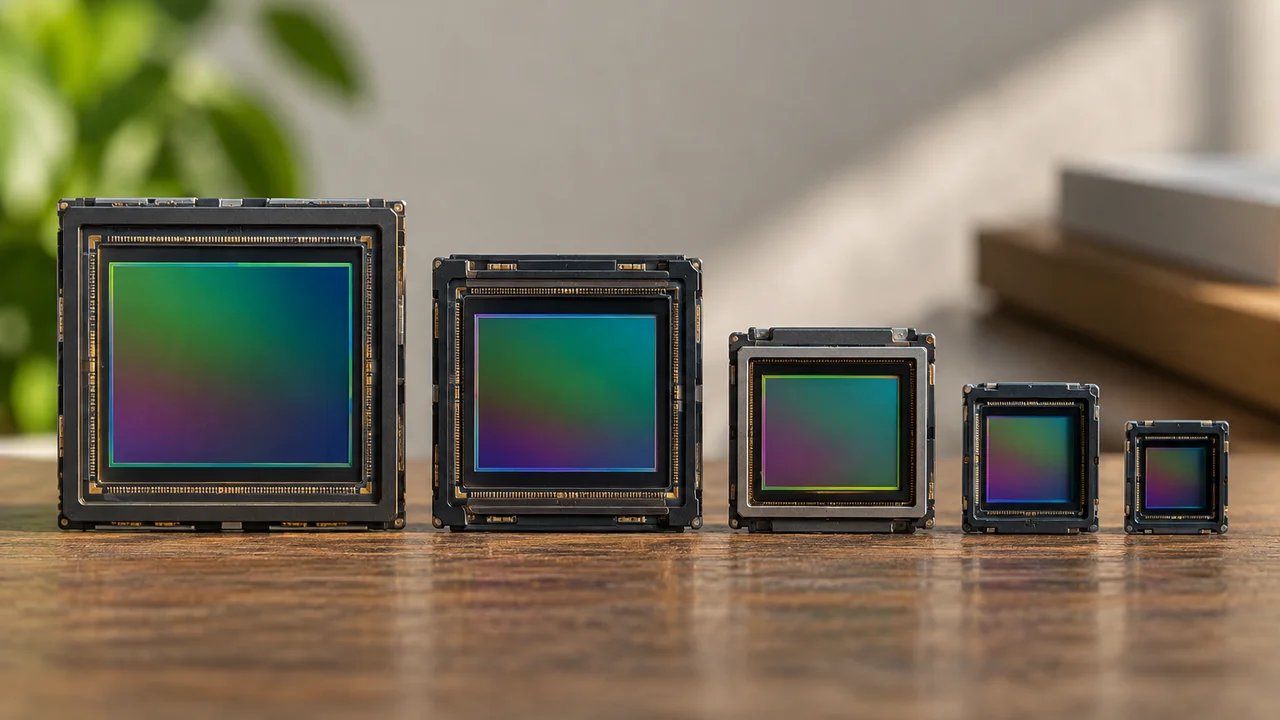
The sensor is the actual physical chip that catches light when you press the shutter. Think of it like a bucket collecting rain: a bigger bucket catches more rain in the same storm. A bigger camera sensor catches more light in the same split second, which is the difference between a crisp photo of the kids blowing out candles and a blurry, grainy mess because the room lighting was ordinary.
Here’s the catch almost nobody explains on the shop floor: when a manufacturer crams 200 million pixels onto a sensor that hasn’t grown much in physical size, each individual pixel has to shrink to fit. Smaller pixels capture less light each. So a high megapixel count on a small sensor can genuinely perform worse in anything but bright daylight than a lower megapixel count on a larger sensor. This is why some mid-range phones with a “lower” megapixel number on paper will often out-photograph a budget phone boasting a huge one, especially indoors, at dusk, or in a pub beer garden after the sun’s gone down.
Most phones get around this with “pixel binning”, grouping four or nine tiny pixels into one larger effective pixel to improve low-light shots, then only using the full resolution in bright conditions or when you deliberately shoot in a high-res mode. It’s a clever workaround, but it also means the headline megapixel figure is rarely what you’re actually shooting with day to day.
The software doing the heavy lifting you never see
This is the bit that’s changed the most in the last five years and the bit manufacturers talk about least, because it’s harder to put a single number on. Modern phone cameras take multiple exposures in the time it takes you to tap the shutter, then blend them together, adjust shadows and highlights, sharpen edges and smooth skin tones, all before the photo even lands in your gallery. That’s computational photography, and it’s why a phone camera with “worse” hardware on paper can comfortably beat one with better hardware and weaker processing.
It’s also why the same phone, running a camera app from two years ago versus one that’s had its processing refined through several software updates, can produce noticeably different results from identical hardware. We’ve seen this first-hand reviewing phones over multiple years: a model that looked merely decent at launch sometimes looks genuinely good eighteen months later purely because the image processing has matured. That’s a strong argument, in our view, for caring about how long a manufacturer commits to software updates over how many megapixels it advertises. A phone that gets four or five years of updates will likely take better photos in year three than it did on day one. A phone abandoned after two years won’t improve at all, and eventually won’t get security patches either, which matters more than most buyers realise.
Our contrarian take: stop reading camera spec sheets altogether
Here’s the opinion we’ll actually stand behind: for the overwhelming majority of Australians, comparing phone camera spec sheets before buying is close to a waste of time, and we’d go further and say it actively misleads people into overpaying for numbers that don’t translate to better everyday photos. Aperture values, megapixel counts, “AI-enhanced” sensor branding, the lot. What actually separates a good phone camera from a mediocre one in daily life is low-light performance, how well it handles moving kids or pets, how natural skin tones look without that waxy over-smoothed effect, and whether the camera app is quick enough that you don’t miss the moment while it’s still thinking.
None of that shows up on a spec sheet. It shows up in actual sample photos, ideally ones taken in ordinary conditions, not the manufacturer’s curated hero shots taken in perfect daylight by a professional photographer. If you’re shopping, look at independent sample galleries and reviews that show indoor, low-light and action shots, not the brightly lit press kit images. Our own review of the Google Pixel 10 is the kind of real-world test we mean, with photos taken the way an ordinary household actually shoots.
Buying by who you actually are, not what the box says
We’d frame the decision around the buyer rather than the camera. Students and anyone on a tight budget are almost always better served putting money into a phone with a longer software support commitment than chasing a marginally “better” camera number, because a mid-range phone’s camera today is genuinely good enough for lecture notes, group chats and the odd night out photo. If you’re weighing up your first proper phone purchase, our guide to choosing tech for university covers the same budget logic that applies here.
Parents chasing photos of fast-moving kids should prioritise a phone known for quick shutter response and reliable autofocus over raw resolution, because a sharp photo of a stationary object matters a lot less than a usable photo of a toddler who won’t sit still for half a second. Travellers get the most value from ultra-wide lenses for landscapes and decent low-light performance for evening markets or dim restaurants, rather than zoom range alone, though a longer zoom genuinely helps if you’re the sort who photographs wildlife or stage shows from the cheap seats.
Tradies and anyone using their phone as a work tool, documenting job sites, damage, or materials for quotes, benefit most from a camera that’s fast to open and reliably sharp in ordinary indoor lighting like garages and site sheds, plus a phone that can survive a drop onto concrete. None of that is a megapixel question either.
Repairability and the bit nobody budgets for
One thing we think gets underweighted entirely: what happens when the camera itself breaks. Phone cameras are mechanically delicate, with autofocus motors and tiny lens assemblies that can fail or get knocked out of alignment after a drop. Some manufacturers make camera modules straightforward for an authorised repairer to replace; others solder or glue things in ways that turn a cracked lens cover into a near write-off. If you’re buying a phone you intend to keep for four or five years, which we think most buyers should be doing now that software support windows have stretched out considerably, it’s worth asking a retailer or checking a brand’s own repair documentation about part pricing and availability before you buy, not after you’ve dropped it on the bathroom tiles.
This also matters when the time comes to move on from a phone. Before selling or trading in an old handset, make sure photos and other personal data are properly backed up and removed; our guide on wiping an old phone or laptop walks through doing that properly rather than just hitting factory reset and hoping.
Getting photos across when you upgrade
If a better camera is the reason you’re upgrading, don’t let years of photos get stranded on the old phone. Moving everything, including your full photo library, across cleanly is one of those jobs people put off and then panic about the night before they trade in the old handset. We’ve written a step-by-step on moving data from old to new phones that covers the common traps, including the cloud storage limits that catch people out with large photo libraries.
It’s also worth checking your current mobile plan actually gives you enough data headroom for the photo and video files a better camera produces, since higher resolution photos and 4K video eat through cloud backup allowances fast. If you’re reviewing your plan anyway, our piece on why smaller telcos can beat the big three is a reasonable place to start.
So what should actually sway your decision
If we had to boil this down to one piece of advice for someone standing in a shop or scrolling a retailer’s website right now: ignore the megapixel number on the box almost entirely. Look at the physical sensor size if it’s published, which increasingly it is in the fine print, weigh up how many years of software updates the manufacturer has promised, and go looking for real sample photos taken indoors and at night rather than the glossy hero shots. The ACCC’s consumer guidance is a decent refresher on what retailers are and aren’t allowed to claim about products generally, and it’s a fair prompt to read spec sheets with a healthy dose of scepticism. The Australian Communications and Media Authority’s ACMA website is also a useful check if you’re buying a phone and want to confirm it’s properly certified for use on Australian networks.
Camera technology genuinely has improved enormously over the past decade, and that’s not marketing spin, it’s just that the improvement lives mostly in processing chips and software. The megapixel count is the smallest part of the story, and it’s long past time it stopped being the first thing anyone mentions.
— Priya Raman, Reviews Editor, Tech Geek