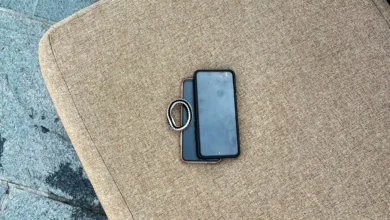
Almost one in five Australians would rather live with a smashed phone screen than pay to have it fixed, according to a Vodafone-commissioned survey from 2024. That single number says a lot about how ordinary the phone repair or replace decision has become, and how often people quietly choose to just put up with a fault rather than deal with it. A cracked screen or a battery that dies by lunchtime forces a choice most of us would rather avoid, and the right call depends on the device’s age, what’s actually broken and rights under Australian law that plenty of people never end up using.
We get some version of this question constantly. Fix the phone, or just get a new one? This piece runs through what you’re actually entitled to as a consumer, what a repair tends to cost, where genuine and third-party parts differ, and when replacing the handset is genuinely the smarter move rather than just the easier one.
The real cost of a cracked screen or a dying battery
The Vodafone research found that more than a third of Apple owners who’d repaired a cracked screen (35.2%) had paid up to $250 to do it, and almost 12% had paid as much as $500. Those figures cover Apple devices specifically, and Apple repairs sit at the pricier end of the market, but the shape of the problem holds across brands: a screen replacement on a current flagship is rarely a small expense, while a battery swap is usually the cheapest common fix a phone will ever need.
Age matters more than most people assume. A three-year-old phone with a cracked screen and a tired battery is a different calculation to a six-month-old flagship with the same problem. If the phone’s still getting security updates and does everything you need, a repair is often the more sensible spend. If it’s already off the update list, sinking money into it starts to look less appealing, however cheap the fix.
What Australian Consumer Law actually gives you
This is the part a lot of Australians skip past. Under the Australian Consumer Law, goods you buy come with automatic consumer guarantees: they have to be of acceptable quality, fit for the purpose sold, and match how they were described. Those guarantees exist regardless of whether you also bought an extended warranty, and they don’t simply expire the day a manufacturer’s 12-month cover runs out. The ACCC’s own guide to repair, replace and refund rights sets out how it actually works, and it’s worth ten minutes of anyone’s time.
What you’re entitled to depends on how serious the fault is:
- For a major failure, you choose the remedy: a refund, a replacement, or you can accept a repair if you’re happy with that instead.
- For a minor failure, the business gets to choose, and can offer a free repair rather than a refund or replacement.
- If a repair isn’t done in a reasonable time, you can get it fixed elsewhere and ask the original seller to cover it.
A retailer that tells you to “go to the manufacturer” is, strictly, breaching the law. The seller is on the hook, not just the brand whose logo is on the box, and a “no refunds” sign has no legal weight at all.
Manufacturer warranty versus an independent repairer
People often assume that getting a phone fixed anywhere other than an authorised store voids the warranty outright. It’s more nuanced than that, and there’s a well-documented case that shows exactly where the line sits. In 2018 the Federal Court ordered Apple to pay $9 million in penalties after the ACCC successfully argued that Apple had misled at least 275 Australian customers into believing they’d lost their consumer guarantee rights simply because their iPhone or iPad had previously been repaired by a third party. Apple staff had been telling customers affected by the so-called “Error 53” fault that a prior third-party screen repair made them ineligible for a free fix, which wasn’t true under the law.
That case matters because it establishes the principle clearly: your ACL rights exist independently of who last opened up your phone, unless that earlier repair is what actually caused the new fault. Apple’s own repair service page is reasonably upfront about this these days, noting that Apple Authorised Service Providers set their own fees and that an in-person inspection is needed before it can quote a price. Manufacturer repairs generally use certified parts and come with a service guarantee, which is worth something. They’re also, more often than not, the priciest option on the table.
Genuine parts, third-party parts, and where the differences actually bite
Independent repairers can be excellent value, and a lot of the parts they use are perfectly good, sometimes identical to what the factory fits. The catch, at least on recent iPhones, is component pairing: certain parts, particularly the screen, are cryptographically linked to that specific handset. Swap in a display that hasn’t been paired using Apple-approved tools and you can lose True Tone colour calibration, and on some models Face ID has stopped working entirely until the original screen goes back in or an authorised provider handles it. It’s a genuine trade-off, not a myth repair shops invented to scare people off.
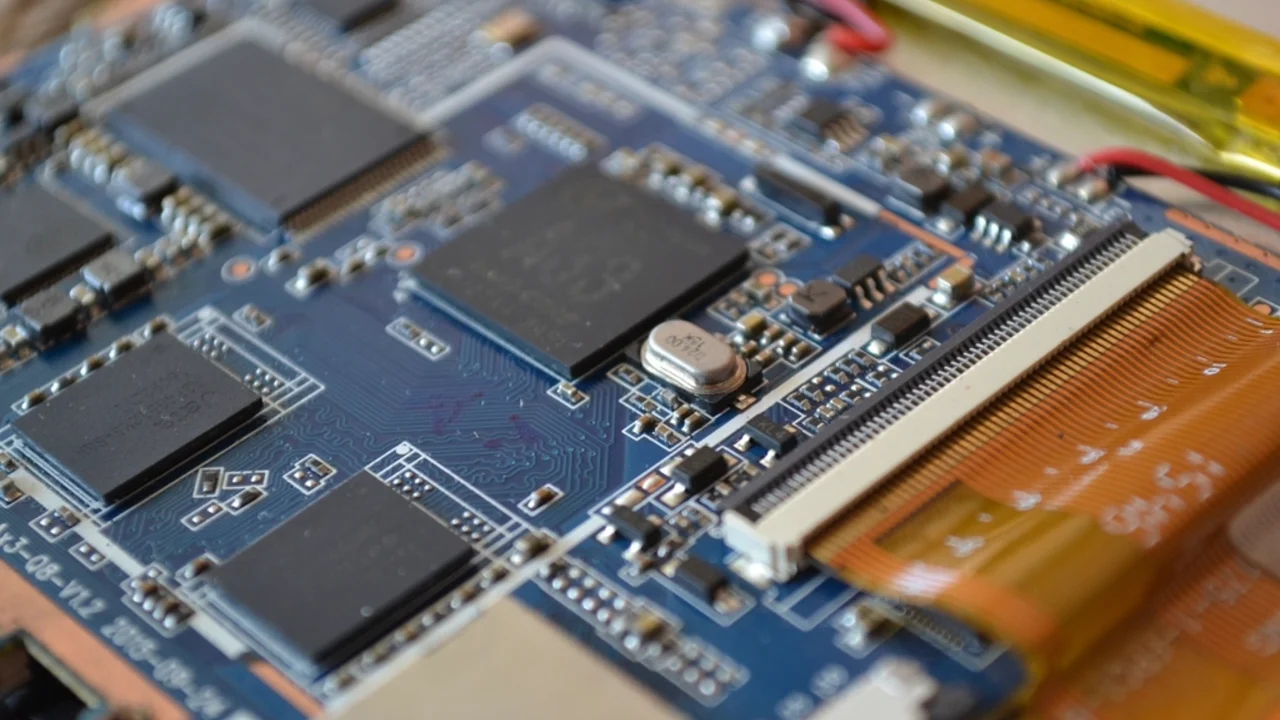
Android handsets are generally less locked down in this respect, though it still pays to ask your repairer directly whether they’re fitting an OEM-grade part or an unbranded aftermarket one, and what happens to water resistance once the case has been opened. A cheap quote isn’t always cheap in the long run if the battery swells in eighteen months or the seal fails in the rain. We’d rather pay a bit more to a repairer who can tell us exactly where the part came from than save twenty dollars and find out the hard way.
How much should you expect to pay?
Prices vary enough by model and repairer that quoting a single figure isn’t honest, but the general shape is consistent: screen repairs on current flagships tend to run into the hundreds of dollars, battery replacements are usually well under that, and older or mid-range phones cost noticeably less to fix across the board than premium ones. If the battery’s the main issue rather than physical damage, it’s also worth checking whether you can extend its useful life first; our tips for making a phone battery last longer have saved a few readers an unnecessary trip to the repair counter altogether.
It’s genuinely worth getting two quotes before committing, since pricing between independent repairers in the same suburb can differ by more than it should for what’s often an identical part and a twenty-minute job. And when you’re weighing a repair against a new handset, it helps to know what “new” actually costs now. Have a look at what a current flagship goes for, our iPhone 17 Pro review covers pricing alongside the hardware, and the gap between a repair bill and a new-phone bill is usually bigger than people expect going in.
The right-to-repair debate in Australia
Zoom out and there’s a bigger policy fight sitting behind all of this. The Productivity Commission handed its final Right to Repair report to the federal government on 29 October 2021, publicly released a few weeks later. It found that mobile phones and tablets were among the hardest product categories in the country to get repaired affordably, and recommended that manufacturers be barred from voiding a warranty just because a customer used an independent repairer or non-branded parts, alongside changes to copyright law so repairers could legally access diagnostic tools and repair information.
Some of that has trickled into practice, but not all of it, and certainly not through dedicated phone-specific legislation. Apple and Samsung have each rolled out official self-repair programs overseas, giving customers direct access to genuine parts and tools, but as far as we can tell neither has brought that program to Australia at the time of writing. Read the full Productivity Commission right to repair report and the picture is clear: we’re behind the EU and the US on this one. In my view that’s a genuine gap, not a technicality, and Australians have had a reasonable, evidence-based set of recommendations sitting on the shelf for years now with only partial follow-through.
When repair clearly wins, and when replacing does
None of this needs to be complicated once you frame it properly. Repair tends to make sense when the phone has one isolated fault, is still receiving security updates, and the quoted cost sits well under what a comparable replacement would cost. Replacing tends to make more sense when problems are stacking up, the phone’s fallen off the update schedule, or the trade-in value is still solid enough to meaningfully offset a new purchase.
If you do land on replacing it, our guide to buying a new phone in Australia is a reasonable place to start, since it splits recommendations by budget rather than assuming everyone wants the most expensive option on the shelf. Trading in or recycling the old handset properly also matters more than people give it credit for; a phone sitting in a drawer is a phone that’s neither being used nor being responsibly recovered for parts and materials.
Fix it or trade it in: our verdict
Our honest answer: default to repair unless there’s a genuinely good reason not to. A cracked screen or an ageing battery on a phone that’s otherwise doing its job is the easy case, and it’s usually cheaper, better for your wallet and better for the growing pile of e-waste this country produces. Where it gets harder is when the phone’s old enough that a repair bill starts approaching a meaningful fraction of a new one, or when the update clock has already run out. That’s when it’s worth being honest with yourself about whether you’re fixing a phone or just delaying a decision you’ve already made.
Know your rights before you hand the phone over anywhere. Ask what parts are being used. Get a second quote if the first one feels steep. And if a seller tells you to take it up with the manufacturer, feel free to point them back to the ACCC’s own page and let them explain why that’s not how any of this actually works.
Featured image: Photo: Autopilot, CC BY-SA 3.0.