Check the fine print on almost any “budget” SIM-only plan advertised in Australia right now and you’ll find a sentence buried near the bottom: “runs on the Telstra network” or “using the Optus 4G/5G network”. That one line is MVNOs explained in a nutshell, and it’s not a typo or a licensing gimmick. It’s the entire business model, and once you understand it, a lot of the confusion around why some plans are $25 and others are $65 for what looks like the same thing starts to make sense.
MVNO stands for mobile virtual network operator, which is a clunky term for a simple idea: a company that sells phone plans without owning the towers, cables or spectrum licences that actually carry the signal. Telstra, Optus and TPG (which owns Vodafone) are the only three organisations in Australia that own full mobile networks. Everyone else, and there are dozens of brands on shelves and shopfronts, is renting capacity from one of those three and reselling it under their own name, pricing and customer service.
MVNOs explained: how the arrangement actually works
An MVNO signs a wholesale deal with a network owner, buying data, calls and texts in bulk at rates well below what an individual customer pays at retail. Woolworths Mobile and Amaysim have historically run on the Optus network, Boost Mobile runs on Telstra infrastructure, and ALDImobile uses Telstra too. Belong is Telstra’s own budget sub-brand, which is a slightly different arrangement again (a telco-owned MVNO rather than an independent reseller), but the mechanics of “same towers, different billing” still apply.
The practical result is that your phone connects to exactly the same cell tower, gets exactly the same 4G or 5G signal, and sits in the same queue for bandwidth as someone paying full price on the parent network, in most ordinary circumstances. There are genuine exceptions we’ll get to, but the geography of coverage doesn’t change based on who you pay.
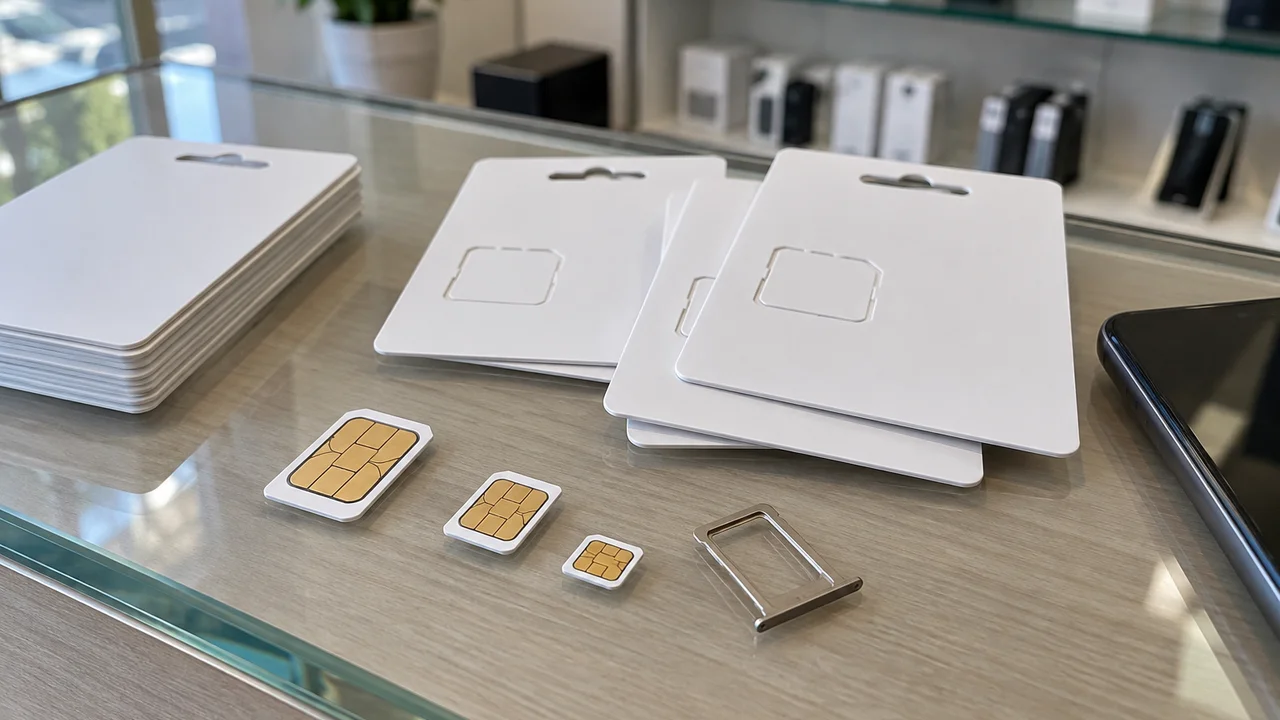
Why they can actually charge less
This is the part that trips people up, because it feels like there must be a catch. Mostly there isn’t, or at least not the kind people assume.
The honest answer is overheads. Building and maintaining a mobile network, the towers, backhaul fibre, spectrum licences bought at auction, is extraordinarily expensive, and that cost gets baked into what Telstra, Optus and TPG charge their own direct customers. An MVNO skips almost all of that. Many run lean operations: app-based account management instead of retail stores, smaller call centres (sometimes a genuine frustration, more on that below), and no multi-year infrastructure rollout to fund. Some are also owned by retailers like Woolworths or Coles, who treat the mobile brand as a way to keep shoppers loyal rather than a stand-alone profit centre, which lets them run thinner margins than a telco ever would.
None of this is charity. It’s just a different cost structure, and Australians have been slow to take advantage of it. The ACCC’s communications market monitoring work has repeatedly noted that a meaningful share of mobile customers stay on expensive legacy plans well past when a cheaper option on the same network would do the same job.
Where the trade-offs actually live
We don’t think MVNOs are a free lunch, and the rough edges are worth naming rather than glossing over.
Network priority is the big one. During genuine congestion, think a packed stadium, a major event, or peak hour in a dense CBD, network owners can technically prioritise their own direct customers’ traffic over wholesale MVNO traffic. In day-to-day use across suburban and regional Australia this almost never shows up. But if you’re the sort of person constantly in crowded venues wanting fast data, it’s a real, if occasional, factor.
Customer support is the other genuine difference. Smaller MVNOs often run app-first or chat-first support with limited phone queues, and if something goes wrong with porting a number or a billing dispute, the process can take longer than it would with a major telco’s call centre. We’d also flag that international roaming deals, bundled streaming perks and 5G access tiers vary a lot between MVNO brands, sometimes they get full access to the parent network’s 5G, sometimes they’re capped to 4G only, so it pays to check the specific plan rather than assume.
The bit we’ll actually argue: full-price plans rarely earn their keep
Here’s our mildly unpopular take, and we’ll stand behind it: for the vast majority of Australians, paying full retail price directly with Telstra, Optus or Vodafone for a basic SIM-only plan is money spent on a brand name and not much else. The in-store experience and large retail footprint matter to some people, genuinely, particularly older customers or those who want a physical shopfront when something goes wrong. But if you’re comfortable managing an account through an app and you don’t need enterprise-grade support, we reckon there’s no longer a strong technical reason to pay the premium for an entry-level plan on the parent network instead of a wholesale reseller riding the same towers.
Where we’d push back on ourselves is at the top end: family plans with multiple devices, business accounts needing dedicated account managers, or households wanting bundled NBN and mobile discounts genuinely do get value from staying with a full-service telco. It’s not a blanket rule. It’s a “know what you’re actually paying for” situation.
Who should actually switch, by the kind of buyer
Students on tight budgets are the obvious winners. A SIM-only MVNO plan with modest data, bought month to month with no lock-in contract, is usually the cheapest way to stay connected between semesters without worrying about early termination fees.
Parents setting up a first phone for a teenager should look closely at MVNO plans with generous but capped data and easy spend limits, since many run on prepaid-style billing that makes it harder to rack up an unexpected bill. It’s also worth reading our explainer on Australia’s social media age rules for 2026 before handing over that first SIM, since the device and the plan are only half the conversation.
Tradies and small business owners are the group we’d actually caution. If your livelihood depends on being contactable during a job and you’re working across regional areas with patchier coverage, the small chance of being deprioritised during network congestion, or a slower support response if a SIM fails mid-job, might be worth paying a bit more to avoid. We’re not saying avoid MVNOs altogether here, just to read the fine print on 5G access and check real coverage maps for your specific work areas before committing.
Frequent travellers should pay close attention to roaming inclusions specifically, because this is one area where parent-network plans still often have an edge, with broader international roaming agreements than smaller resellers.
Checking coverage before you commit
Because an MVNO’s coverage is identical to its parent network, the smart move is to check the parent’s published coverage map for your home address, workplace and anywhere you regularly travel, not the MVNO’s own marketing page. If you’re on the Telstra network via an MVNO, check Telstra’s own coverage tool; if you’re on Optus infrastructure, check theirs. This matters more since the 2024 shutdown of Australia’s 3G networks shifted a lot of regional and indoor coverage logic onto 4G and 5G towers, and coverage can vary more than people expect between the three networks in outer suburban and regional pockets.
It’s also worth running a current-generation phone if you’re relying on an MVNO heavily, since older handsets sometimes handle band-switching between towers less gracefully. If you’re shopping for a new handset anyway, our buyer’s guide to mobile phones in Australia covers which models handle Australian network bands well, and our guide to budget Android phones under $500 is a sensible pairing with a cheap MVNO plan if you’re trying to cut the whole bill down, not just the SIM.
Porting numbers and avoiding the scams around it
Switching providers in Australia is meant to be straightforward under the industry’s number portability rules overseen by the ACMA, and in our experience it usually is, taking anywhere from a few hours to a couple of days. Keep your old SIM active until the new one confirms a signal, and never hand over a porting PIN or account passcode to anyone who contacts you unexpectedly claiming to be from your telco. Scammers increasingly target exactly this process through SIM-swap fraud, and the ACCC’s Scamwatch has documented rising reports of this type of identity-based telco scam. If you’re moving providers, it’s also worth being cautious of too-good-to-be-true deals that arrive via text message rather than the provider’s own app or website.
Our verdict: default to the wholesale option unless you have a specific reason not to
We’ve landed in a fairly firm spot after watching this part of the market for years: for anyone on a standard SIM-only plan with modest data needs, defaulting to an MVNO running on whichever network tests best at your actual address is the sensible choice, and sticking with a full-price parent plan should be a deliberate decision based on support needs or bundling, not inertia.
The towers don’t care whose logo is on your bill. What matters is picking the network that covers the streets you actually spend time on, then finding whichever reseller on that network charges the least for the data you genuinely use. If you’re also overhauling your home internet at the same time, it’s worth a look at our piece on mesh WiFi systems for Australian homes, since a shaky home network often does more damage to day-to-day phone use, via WiFi calling and background syncing, than the mobile plan itself.
— Priya Raman, Reviews Editor, Tech Geek
Featured image: AI-generated illustration.