A one-bedroom rental in Marrickville, a renter on a six-month lease, and a technician who can’t get an NBN appointment inside three weeks. That’s the household we keep picturing when the 5G home internet vs NBN question comes up, because it’s the exact situation where swapping makes sense. For everyone else, the answer gets murkier fast, and that’s the bit the telco ads skip over.
We’ve spent a fair chunk of this year fielding reader questions about whether it’s finally time to ditch the NBN connection for a 5G modem that you plug in and switch on the same day. Our take, after watching this play out across different household types, is that the pitch is genuinely good for some people and genuinely wrong for others, and the marketing doesn’t bother drawing that line.
What 5G home internet actually is
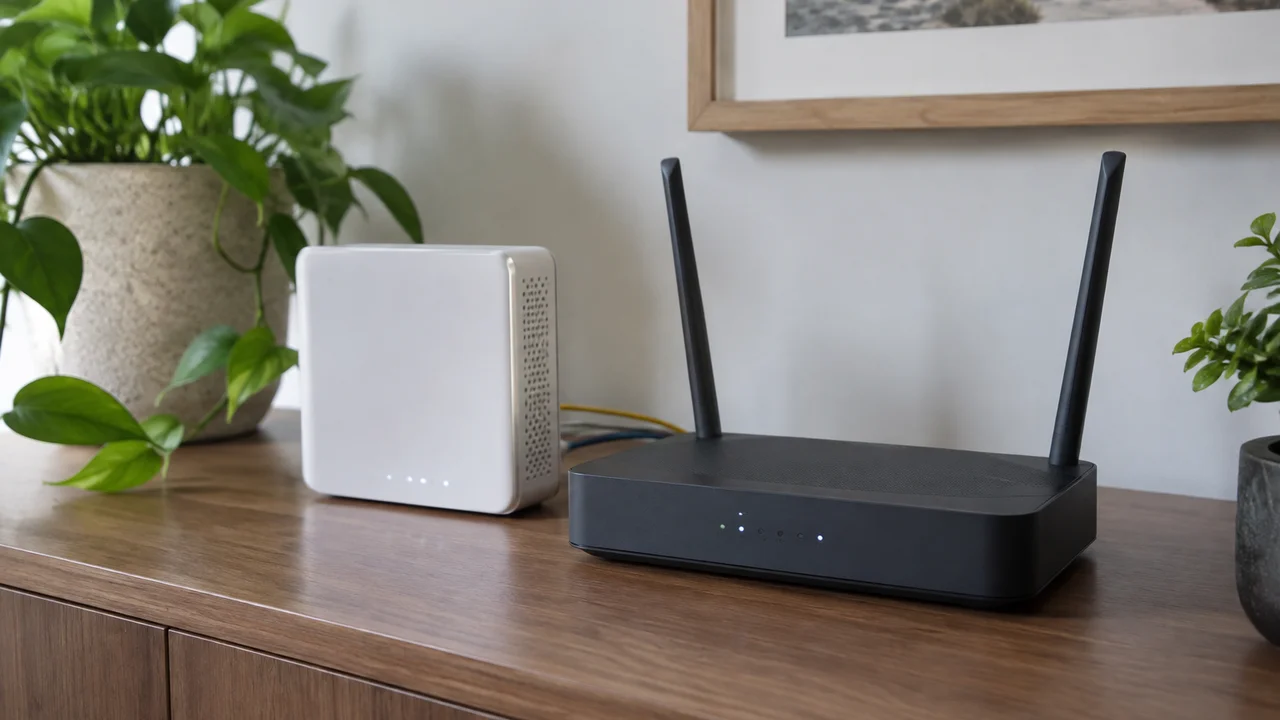
5G home internet, sometimes called fixed wireless broadband, uses the same mobile network that powers your phone, but routed through a stationary modem sitting near a window at home instead of a SIM card in a handset. Telstra, Optus and TPG all sell versions of it, usually as a no-lock-in month-to-month plan with a modem you either buy outright or pay off over a year or two.
There’s no NBN technician visit, no connection box on the wall, and no waiting for NBN Co to schedule anything. You order a modem, it turns up in a courier bag, you plug it in near a window with decent signal, and you’re online within the hour. For renters who move every twelve months, or anyone who has sat through the NBN new-development connection saga, that alone is worth something.
The catch is that it’s sharing capacity with everyone else’s phones on the same mobile tower. During the day in most suburbs that’s a non-issue. At 7pm on a Tuesday in a densely packed area, you may notice it.
Where NBN still wins outright
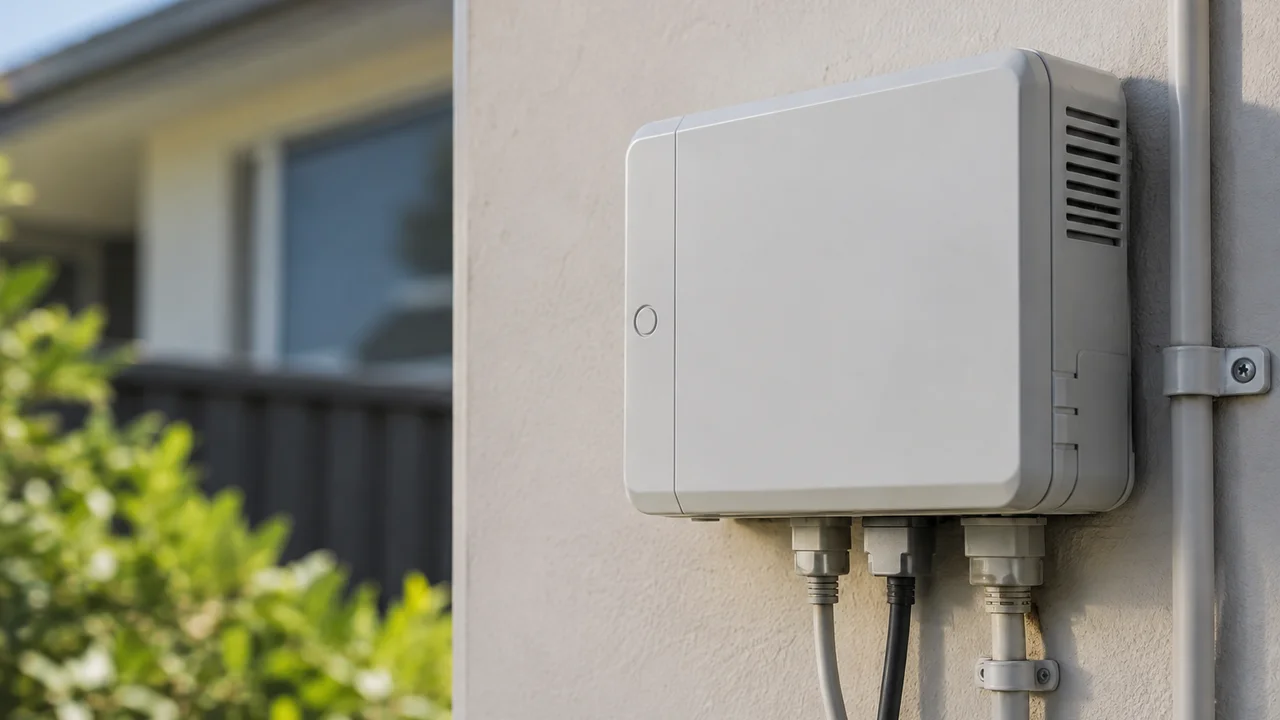
NBN is a fixed-line connection, mostly fibre or a fibre-to-the-node mix depending on your address, and it isn’t sharing bandwidth with your neighbour’s phone data the way 5G home broadband is. If you’ve got a household with four people gaming, streaming and in video calls simultaneously, especially during peak evening hours, the fixed connection is the one that won’t wobble.
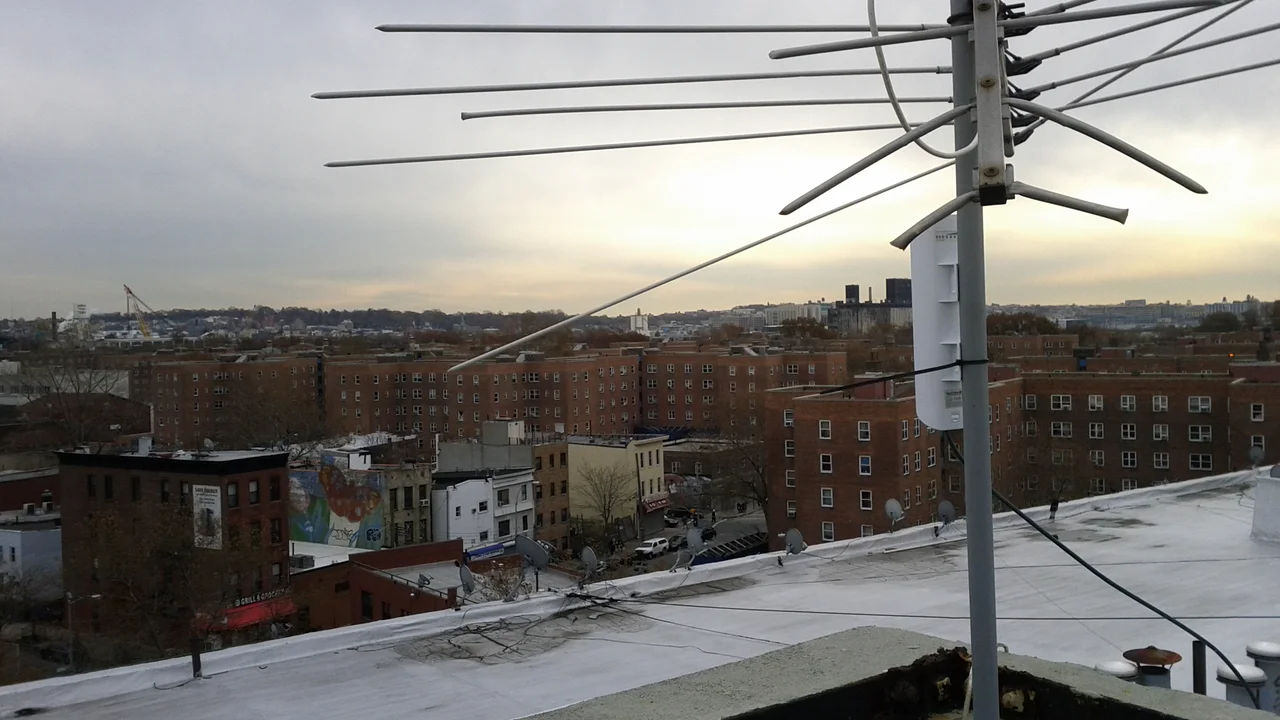
It’s also the only sensible option if you live somewhere with patchy mobile coverage, which in Australia is still a lot of regional and semi-rural addresses, even with 3G long gone from the network since the 2024 shutdown. Fixed wireless NBN exists for exactly those spots, and it behaves differently again to the telco 5G home plans, with capacity managed on a per-region basis by NBN Co rather than left to general mobile traffic.
And if your household runs a business from home, uploads large files, or relies on a static, predictable connection for things like security cameras or a trading terminal, NBN on a higher speed tier remains the safer bet. We’ve covered how to work out which NBN speed tier your household actually needs if you’re not sure where you sit.
The mildly contrarian bit
Here’s where we’ll push back on the conventional advice, which usually says “only switch to 5G if you’re a light user.” We reckon that undersells it. A surprising number of two-person households who stream, work from home on video calls, and have a games console or two would do just fine on 5G home internet, and would save money doing it.
The received wisdom treats 5G home broadband as the budget fallback for people who barely use the internet. In our experience testing these services across different suburbs, a decent 5G connection on a well-served tower regularly outperforms an NBN 25 or NBN 50 plan on a fibre-to-the-node line that’s showing its age. The spec sheet says NBN should win. The real-world experience, especially outside peak hour, often doesn’t agree.
The honest caveat: this depends entirely on your specific tower and how many other households nearby have made the same switch. There’s no way to know this without trying it, which is why the no-lock-in month-to-month plans matter so much. Test it for sixty days before you commit to anything longer.
Who should switch: the renters and the movers
If you move house regularly, 5G home internet removes the single most annoying part of relocating, which is the two-to-three week limbo waiting for an NBN technician. Students, share-house tenants and people on short leases are the clearest winners here. You take the modem with you, plug it into the new address, and you’re done, assuming the new address has decent coverage from the same network.
It also suits anyone who wants to try before committing. Because most 5G home plans are month-to-month, you can test the connection during your actual peak usage hours, cancel if it’s not cutting it, and go back to NBN without having broken a contract. That flexibility alone is worth something most buyer’s guides don’t put a dollar figure on.
Who should stay put on NBN
Families with multiple people working or studying from home at the same time, anyone running smart home gear and security cameras around the clock, and households in apartment blocks where a lot of other residents might also be on the same mobile tower’s 5G coverage, these are the groups we’d steer back towards NBN.
Tradies running a home office with scheduling software, invoicing, and video calls to clients need a connection they can rely on without checking it first. The same goes for anyone who has video doorbells running on their home network continuously uploading footage, since that steady background load is exactly the kind of thing shared mobile capacity handles worse than a dedicated fixed line.
If your current NBN connection feels sluggish, it’s also worth ruling out a local problem before blaming the technology altogether. We’ve got a separate piece on working out why your NBN is slow and finding the bottleneck, and a fair few “I need 5G” conversations we’ve had with readers actually turned out to be a tired router or bad wi-fi placement, not the NBN line itself.
The money question, and what it doesn’t fix
5G home internet plans at the time of writing generally sit a bit cheaper per month than equivalent-speed NBN plans, partly because the telcos aren’t paying NBN Co’s wholesale access charges. That gap has narrowed over the past couple of years, though, as more telcos have launched competing 5G products and pricing has settled rather than undercut dramatically.
What it doesn’t fix is your wi-fi inside the house. Swapping the box on the wall for a 5G modem won’t do anything for a connection that drops out because your router is a cheap single unit covering a three-bedroom place with brick walls. If that’s the actual problem, look at mesh wi-fi systems built for Australian homes before you blame the broadband type altogether, because changing the pipe into your house doesn’t fix a weak signal spreading it around once it’s inside.
It’s also worth checking your address against network coverage maps from each telco before signing up. Fixed wireless and 5G home coverage isn’t universal, and the maps are built on modelled coverage rather than guaranteed signal at your specific window, so treat them as a starting point rather than gospel.
A quick word on data caps and fair use
Most 5G home plans now advertise unlimited data, but check the fine print on fair use policies, particularly if your household does a lot of 4K streaming or large downloads during peak hours. Some providers reserve the right to deprioritise heavy users during network congestion, which is a different beast to a hard data cap but can feel similar if you’re the one getting throttled on a Friday night.
The Australian Communications and Media Authority has previously flagged broadband speed claims as an area of consumer complaint, and the Telecommunications Consumer Protections framework requires providers to give reasonably accurate information about expected speeds at your address. If a telco sells you a 5G home plan and the real-world speed at your specific location doesn’t come close, you do have a right to raise that through the dispute process rather than just copping it, and the ACCC publishes guidance on broadband speed claims and consumer guarantees worth a read before you sign anything.
Our actual verdict
If you’re a renter, a student, someone who moves often, or a smaller household that doesn’t need everything running flat out simultaneously, we’d genuinely consider the switch to 5G home internet, and we’d argue it’s underrated for exactly that middle ground of users the industry tends to dismiss as “light.” Test it for the no-lock-in period before you cancel anything else.
If you’re a family with several people online at once, running smart home gear continuously, or living somewhere coverage maps show as patchy, stick with NBN and fix the actual bottleneck first, whether that’s your plan speed tier or your in-home wi-fi. The right call was never really about which technology sounds newer. It’s about matching the connection to how your specific household actually uses the internet on a Tuesday night, not what the brochure says it can do.
— Priya Raman, Reviews Editor, Tech Geek
Featured image: AI-generated illustration.