Meta’s Connect event in September pushed the price of its flagship Ray-Ban Meta glasses up to around $679, the third price increase in three years for what is still, at heart, a pair of sunglasses with a camera in the hinge. That single number says a lot about where AI smart glasses sit right now: genuinely useful for a specific set of people, still not cheap, and multiplying faster than most of us can keep track of. There’s the new Ray-Ban Meta line, the sportier Oakley Meta range, an $89 pair from Kmart that sold out in a week, and at least two more brands promising Android-powered versions before the year is out.
We’ve been tracking this category since the first Ray-Ban Meta pair landed, and the honest summary is that the hardware has quietly gotten good while the rules around it haven’t caught up. Below is what these things actually do well, where they fall short, what’s realistically available in Australia today, and the privacy questions nobody in Canberra has fully answered yet.
What “AI smart glasses” actually means in 2026
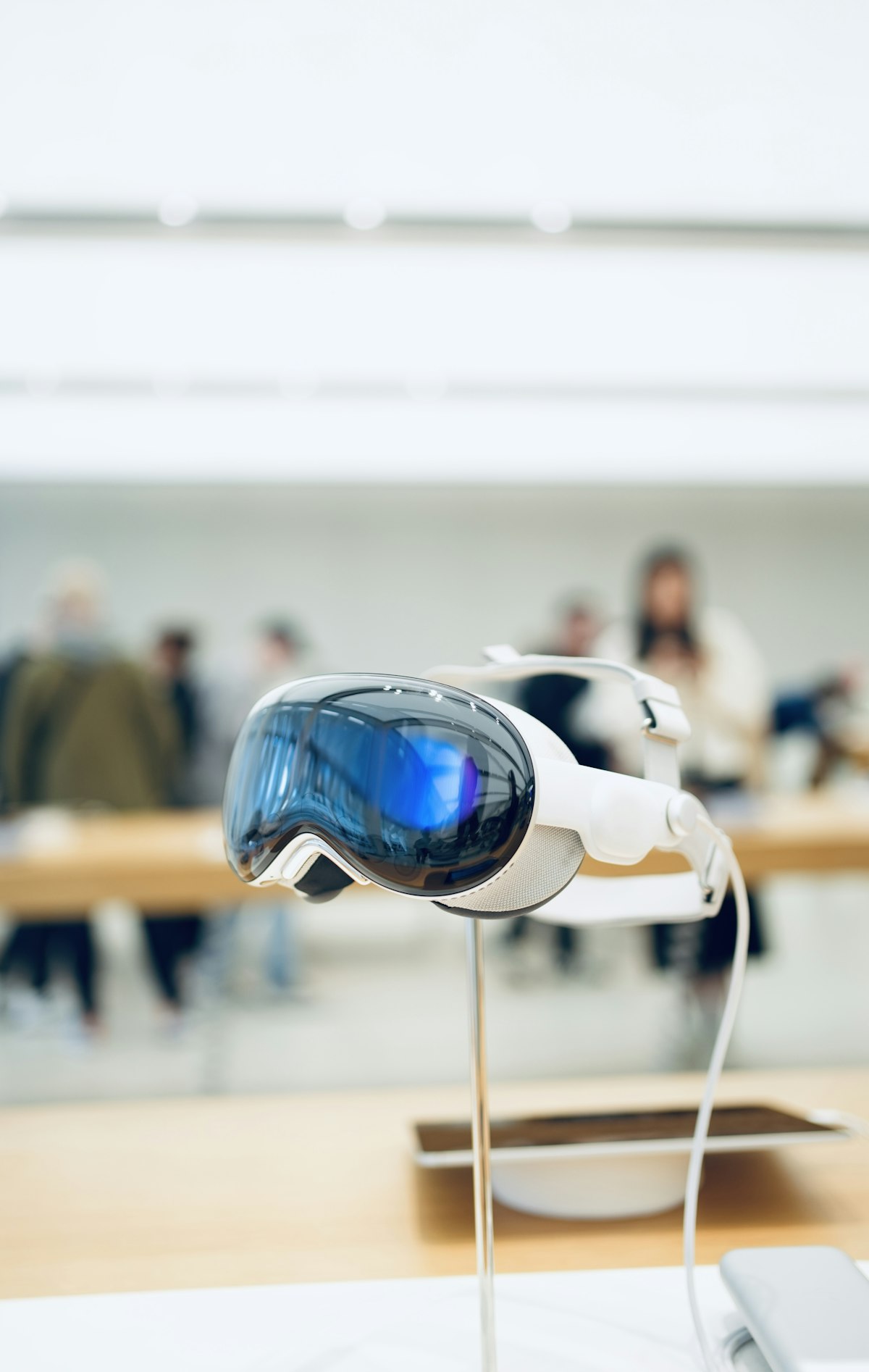
Strip away the marketing and there are really three tiers on shelves here. At the top, Meta’s Ray-Ban Display bundles an in-lens screen with a wristband that reads muscle signals to scroll and select; it launched in the US roughly a year ago at US$799 and, as far as we can tell from Meta’s own store listings, still hasn’t had an official Australian release. In the middle sit camera-and-audio glasses without any screen: Ray-Ban Meta (now in its third generation), Oakley Meta’s Vanguard and HSTN, and Meta’s own unbranded Adventurer, Fury and Starfire styles. At the bottom is a fast-growing pile of budget camera glasses from department stores and no-name importers, of which Kmart’s $89 Anko glasses are the most obvious example.
Nearly everything worth buying today lives in that middle tier. It’s a 12-megapixel camera, an open-ear speaker pair, a microphone array and a voice assistant, all stuffed into a frame that looks close enough to normal glasses that people don’t clock it immediately. That last part is precisely why the privacy conversation later in this piece matters.
The camera is still the reason to buy one
Photo and video capture is genuinely the strongest part of the pitch. According to Meta’s own Australian product page, the third-generation Ray-Ban Meta glasses shoot roughly 3K video from a 12-megapixel sensor, and the point-of-view angle is the actual selling point, not the resolution. Holding a phone up changes a moment; glasses don’t. For anyone who cooks, does trade work, coaches junior sport or just wants both hands free while filming, that’s a real advantage over a phone camera, and it’s the one feature reviewers across the board consistently rate above everything else on these devices.
Meta’s newest models added a six-microphone array, up from five on the previous generation, which noticeably helps spatial audio recording and voice pickup in noisy rooms. There’s also a small white capture light on the frame that has to stay lit while recording. Meta pushed a mandatory firmware update this year that disables the camera entirely if that light is covered or physically removed, after a market sprang up selling mods to disable it. We’d call that a sensible guardrail rather than a nuisance, even though it clearly annoyed the people paying for those mods.
Audio and the assistant are better than we expected, with real gaps
The open-ear speakers won’t replace a proper pair of earbuds for music. our guide to wireless earbuds available in Australia covers plenty of options that sound noticeably fuller, and that’s expected given the audio has to leak out rather than seal into your ear canal. For calls, podcasts and quick voice notes though, it’s comfortably good enough, and not having anything jammed in your ears all day is its own kind of relief.

The Meta AI assistant is the more interesting piece. In Australia it has vision as well as voice, meaning it can look through the camera to answer a question about what you’re looking at, translate a menu, or read out a sign. Live translation now covers around twenty languages and can work offline if you’ve downloaded the language pack first. Some flashier features, like using the glasses to livestream continuously while Meta AI narrates, are still US and Canada only, so don’t assume every keynote demo works the same way here.
Where they genuinely fall down
Battery life is the least glamorous problem and the most common complaint. Meta rates the newest Ray-Ban Meta glasses at up to nine hours of general use, though continuous audio playback or heavy camera use will chew through that noticeably faster in our experience, and the charging case adds roughly another forty hours over a few top-ups rather than a full day untethered. That’s fine for errands and a night out; it’s not fine if you were hoping to wear them the way you wear ordinary glasses, all day, every day.
The price trajectory is the other sore point, and here’s our slightly contrarian view: we think the jump to $679 for the standard Ray-Ban Meta line is hard to justify given the hardware change is genuinely modest, one extra microphone and roughly an hour of extra battery over the previous generation. Meta’s own budget-friendly Adventurer, Fury and Starfire glasses start closer to $469 and carry the same camera and assistant, just without the Ray-Ban name on the hinge. Unless the styling matters to you specifically, that’s the better buy. There’s also the practical matter that processing photos, audio and location data through Meta’s systems raises the same questions we’ve asked about the privacy trade-offs of on-device AI generally: convenient now, but you’re trusting a lot of raw sensor data to a company whose business model isn’t glasses.
The rest of the field, from Oakley to Kmart
Oakley Meta’s Vanguard, aimed squarely at runners and cyclists, starts at around $829 through Meta’s own Australian store and pairs with compatible Garmin devices for real-time performance data alongside the camera and AI features. It’s a genuinely different use case to Ray-Ban Meta rather than just a sportier shell, and if you already run with a Garmin watch the integration is a fair reason to pay the premium. Oakley also sells the lighter HSTN style for people who want the brand without the sports focus.
Then there’s Kmart’s Anko smart glasses, which landed in stores on 28 July at $89 and sold out nationally within a week. They do the basics, an onboard camera recording HD photo and video to a phone app, without the polish or safeguards of the pricier options, and their sudden popularity is a large part of why regulators started paying attention this year. Further out, Google and Samsung’s Android XR platform is due to power a wave of competing glasses, and Xreal has said its own Android XR pair should reach shelves before the end of 2026, though pricing for either hasn’t been confirmed for Australia yet.
Recording in public: the question Australia hasn’t answered
This is where the category gets genuinely uncomfortable. Attorney-General Michelle Rowland wrote to the Office of the Australian Information Commissioner in August asking it to prioritise an investigation into smart glasses, pointing specifically to the risk of covert recording of women and children. The trigger was obvious: cheap, camera-equipped glasses had just sold out at Kmart, and unlike a phone raised to eye level, nobody around you necessarily knows recording is happening.
The legal gap behind that concern is real. As the OAIC’s own guidance on surveillance and monitoring makes clear, the Privacy Act 1988 only binds businesses and government agencies, not individuals, so a person wearing camera glasses in a shopping centre isn’t covered by it at all. State surveillance laws are patchy at best: Victoria’s Surveillance Devices Act restricts recording a private conversation without consent but says nothing about filming someone in public, and several other states offer even less. A new statutory tort for serious invasions of privacy came into force in June last year, but lawyers we’ve read on it describe the bar as genuinely high, partly because proving a “reasonable expectation of privacy” in a public place is difficult by design. Camera glasses that look identical to the connected home cameras we’ve written about before raise the same basic issue: the recording device doesn’t announce itself, and the law was written for an era when it did.
Our honestly contrarian view here is that some of the public alarm is a little overdone relative to the phone already in everyone’s pocket, which has quietly filmed people without consent for fifteen years with barely a fraction of this scrutiny. What’s different with glasses isn’t the capability, it’s the discretion, and that’s worth regulating properly rather than banning the category outright.
Should you buy a pair yet?
If you want a genuinely good point-of-view camera and don’t mind an open-ear speaker doing double duty as headphones, Ray-Ban Meta or the cheaper unbranded Meta styles are worth trying, and we’d lean toward the less expensive option unless the branding matters to you. If you’re after a screen you can actually read notifications on, wait; the Display version still isn’t officially sold here and importing one brings its own headaches. And if you’re buying the cheapest pair you can find purely as a novelty, spare a thought for the people around you who didn’t agree to be filmed. The technology has clearly arrived. The rules for using it responsibly are still being written, and that’s the part worth paying attention to over the next twelve months.