Check your bank statement from the last three months and we’d bet you’re paying for at least four streaming services, and actively using maybe two. That’s not a guess pulled from nowhere, it’s just what happens when every platform offers a free trial, you forget to cancel, and the subscription quietly becomes part of the furniture. So instead of another ranked list pretending there’s one winner, we want to go through what the major streaming services in Australia are actually good at, and where each one falls short, so you can build a line-up that suits how you actually watch telly.
Why ranking them misses the point
Most comparisons treat streaming like a competition with a single champion. That’s the wrong frame. Netflix, Stan, Disney+, Binge, Prime Video and a handful of smaller players all do different jobs, and trying to pick “the best one” is a bit like asking which is the best tool in a toolbox. A hammer isn’t better than a screwdriver, it just does something else.
The better question is what you’re actually trying to watch, and how often. A household glued to prestige drama has completely different needs to one that mostly wants live sport and reality TV reruns on a Sunday night. We’ll go platform by platform, but the short version is this: most Australian households are better served by rotating two or three services every few months than by holding all of them at once out of habit.
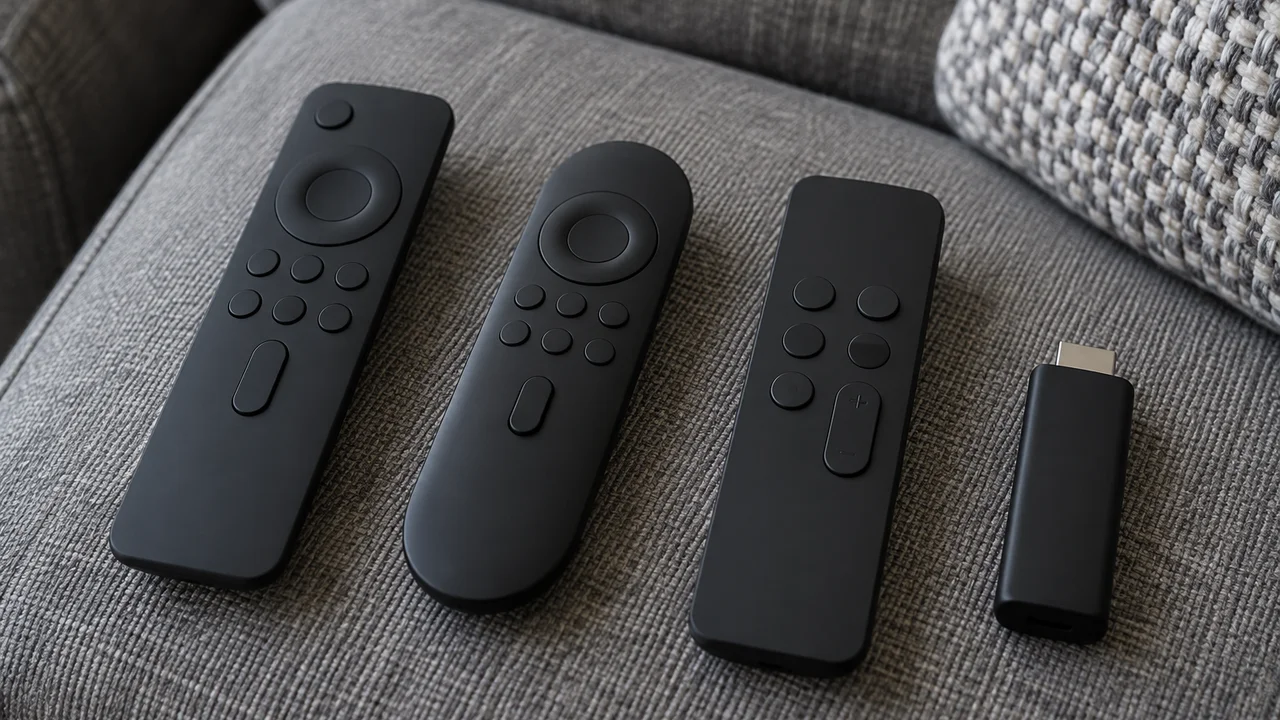
Netflix: still the default, not always the best value
Netflix remains the service most people think of first, largely because of its sheer library size and the fact it’s been part of Australian lounge rooms since 2015. Its originals slate is still the strongest in terms of volume, and its recommendation engine, whatever you think of the algorithm, genuinely does surface things you’d otherwise miss.
Our mildly contrarian view: Netflix’s catalogue has thinned out in the “stuff to put on in the background” category even as its flagship originals have stayed strong. If you’re mainly after comfort viewing rather than the next big limited series, you may get more mileage per dollar from Stan or even Binge. Netflix is excellent when there’s a specific show everyone’s talking about. It’s less essential as a year-round, always-on subscription than it was five years ago.
Stan and Disney+: the local all-rounder versus the family lock-in
Stan is Australian owned, operated by Nine, and it shows in the programming choices, more local drama, more local reality TV, and first dibs on a decent chunk of HBO’s catalogue before it potentially moves elsewhere. For households that want a broad mix without paying for a dozen niche apps, Stan is the one we’d call the safest all-rounder. It’s also usually the cheapest entry point among the big general-entertainment platforms, with an ad-supported tier that undercuts the premium ad-free options on most of its competitors.
Disney+ makes the most sense if there are kids in the house, or if you’re a genuine Star Wars or Marvel completionist. The library outside those franchises and Pixar has grown through its bundled general-entertainment hub, but it’s still thinner than Netflix or Stan once you strip away the Disney-branded content. Where it earns its keep is reliability for family viewing: parental controls are straightforward and profiles are genuinely kid-safe rather than an afterthought. If your household doesn’t have kids and doesn’t care about those franchises, this is usually the first one to cut. Worth noting too, given the eSafety Commissioner’s social media minimum age of 16 now in force, that streaming apps sit in a different regulatory lane entirely, but the same household habit of checking who’s watching what on a shared profile is just as relevant here, something we cover in more detail in our piece on social media age restriction laws.
Binge and Prime Video: the quiet overachievers
Binge, owned by Foxtel, gets overlooked in a lot of comparisons, but it carries a decent chunk of Warner Bros. Discovery content and a strong run of true crime and prestige cable-style drama. It’s also one of the better options if live sport add-ons matter to you, since Foxtel’s sport ecosystem sits alongside it.
Prime Video is the odd one out because most Australians already have it bundled with an Amazon Prime delivery subscription and don’t think of it as a separate cost. That’s worth remembering when you’re doing the maths on your streaming spend, because it’s effectively “free” for a lot of households already paying for fast shipping. Its originals have improved noticeably over the past couple of years, and it’s become a genuine player rather than an also-ran.
Apple TV and the smaller players: small libraries, strong hit rate
Apple TV has one of the smallest catalogues of the lot, but its originals punch well above their weight in terms of quality and awards attention. If you’re the type who’d rather watch three excellent shows than scroll for twenty minutes through four hundred mediocre ones, this is worth a short-term subscription when a new season drops, then a cancellation until the next one. There are a few other niche services chasing specific franchises or live sport rights depending on the season, but we’d rarely recommend any of them as a permanent fixture unless you’re specifically chasing one show or one competition you can’t get elsewhere.
The real cost problem: subscription creep, not any one price
None of these services is expensive in isolation. The problem is what happens when you add them up. A household running five or six “cheap” subscriptions can easily be spending more per month than a single decent pay TV package used to cost a decade ago, and because each one bills separately, it rarely feels like a single, obvious decision.
A few practical things worth doing this afternoon, since this is genuinely a twenty-minute job once you sit down with your banking app:
- Check your bank or card statement for recurring charges labelled Netflix, Stan, Disney, Amazon, Apple or Foxtel, and list them with their monthly cost next to what you actually watched in the last fortnight.
- Rotate rather than stack. Subscribe to one or two services for a month at a time, binge what you want, then cancel and move to the next. Nearly all of these platforms let you resubscribe instantly later with your history intact.
- Use the ad-supported tiers where they exist. The picture and audio quality are usually identical to the premium tier; you’re just trading a few minutes of ads for a lower bill, which for background viewing is a fair trade for most people.
If you’re also trying to tidy up the rest of your household tech budget, our piece on reliable mobile tools for work covers a similar “audit what you’re actually using” approach that applies just as well to apps and subscriptions as it does to streaming.
Don’t forget the pipe the content runs through
None of this matters if your home network can’t keep up. Streaming in 4K, especially with two or three people in the house watching different things at once, puts real strain on an older router, and we still see plenty of households blaming a “bad app” for buffering that’s actually a congested Wi-Fi channel or a router that’s never had its firmware updated. Before you cancel a service in frustration over playback quality, it’s worth working through our home router security checklist, which also covers the basic settings that affect streaming reliability, not just security.
It’s also worth remembering that your internet plan, not the NBN itself, determines your speed tier; NBN Co builds and wholesales the network, but your retailer, Telstra, Optus, TPG, Aussie Broadband and others, is the one setting the plan speed you’re paying for, so check you’re actually on a tier that supports simultaneous 4K streams before assuming the issue is the content library.
Account sharing crackdowns and the password problem underneath
Several platforms have tightened rules around sharing logins outside a single household, something Netflix led globally and others have quietly followed. We understand the frustration, but it’s worth being upfront about why this matters beyond platform profits: shared, widely distributed logins are also a common target for credential stuffing, where attackers test stolen username-and-password combinations from unrelated data breaches against streaming accounts. The ACCC’s Scamwatch has repeatedly flagged compromised subscription accounts as a growing complaint category, often tied to reused passwords rather than any flaw in the platform itself.
The practical fix is the same one we give for almost every account: a unique password through a password manager, and two-factor authentication turned on wherever the platform offers it. It takes ten minutes and makes your account far less attractive as a target, regardless of how strict the household-sharing rules get.
Our verdict on streaming services in Australia: rotate, don’t stack
If we had to commit to a sensible default for a typical Australian household, it would look like this: keep one broad all-rounder running permanently, Stan or Netflix depending on taste, add Disney+ only while there are young kids actively watching it, and treat Apple TV and the smaller sport or franchise apps as rotating guests you subscribe to for a month when something specific is worth watching, then cancel.
That’s a genuinely different approach to the “subscribe to everything and hope” pattern most households fall into, and it’s the one change we reckon saves the most money for the least effort. None of these platforms are bad value on their own. The problem has never been any single service’s price tag, it’s the habit of never auditing what’s actually in the trolley. Have a look at your statement this afternoon. You’ll probably find at least one subscription you forgot you still had.
— Em Castellano, Security Writer, Tech Geek
Featured image: AI-generated illustration.