Python Programming Language has evolved over the years from a scripting tool to one of the most popular in the world. Some sources claim that Python is the world’s most popular programming language, but other rankings have different results depending on which criteria are used. In this article, we will explain the reasons for these differences and how popularity in the tech industry is measured.
Despite its varying rankings, the Python programming language is still growing because of its simple syntax, wide versatility and real-world applications. This blog will examine the reasons for Python’s growth, including its use in large tech companies and its importance in areas like data science and automation. Learn why Python is a popular choice amongst both beginners and more experienced developers, despite other languages dominating in certain areas.
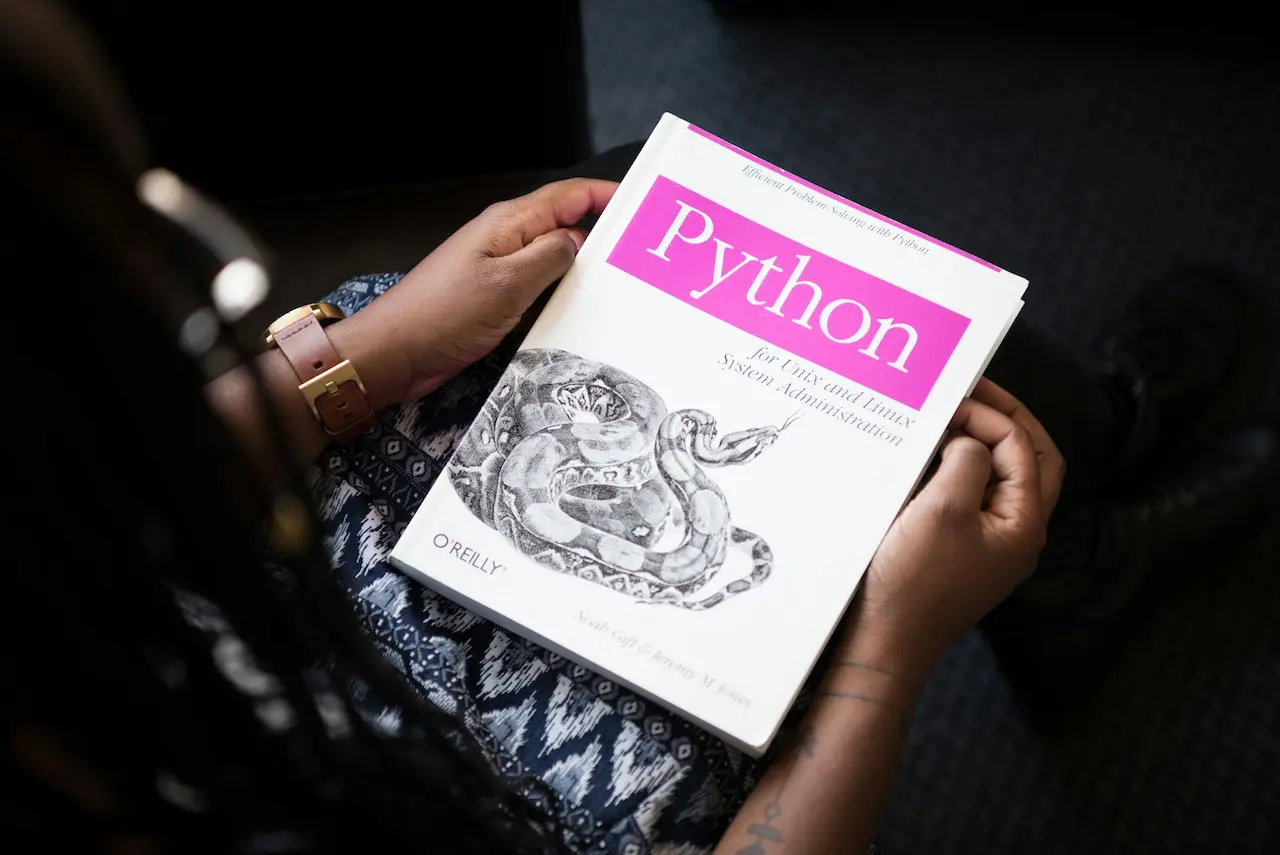
Why is Python considered the most popular programming language?
The idea that Python is the most popular language for programming has been widely spread online. A viral infographic that accompanied an article claimed Python as the top language of the year. It quickly spread across social media, tech blogs and other online platforms. This information’s source was initially unclear, leading many readers to accept it without verifying.
Online communities began to investigate the origins of the infographic. The graphic was created by a platform for coding and then reposted without credit by others. This misattribution confused and raised questions about the validity of the claim. This misattribution also showed how information can spread quickly online, even if it is not properly contextualised.
The popularity of a particular language is influenced by the way it is measured. Different rankings and websites can use different methods that produce different results. One index may track search trends, while another might analyse job postings and developer surveys. Python is still one of the top languages, even if it does not always come out on top. This is because it’s widely used in many different industries and applications.
Understanding Popularity Rankings
When ranking programming languages, it is important to understand that different methods and data are used. Some indexes examine search trends while others look at job market demand and developer surveys. Results can be different because each system has its own method of measurement. One ranking may place C as the number one language, while another might highlight Java or JavaScript. Python appears consistently near the top of many lists, even when it isn’t ranked number one. This reflects its steady and strong presence in the world of technology.
Python is one of the most popular programming languages. Its versatility and ability to be used in many different fields make it a very useful language. It is widely used in web development, data science and automation. This makes it a valuable tool for companies and developers. Python’s ability to adapt to different scenarios helps it maintain its popularity even when other programming languages are dominant in certain contexts. Python also has an active and large community, which provides extensive resources to help with learning, problem-solving, and improving skills. A strong community will naturally encourage wider adoption of a language.

The Real Source of the “Most Popular” Data of a Coding Platform
The platform hosting coding challenges was responsible for the original ranking, which claimed that Python is the most popular language. The platform claims that the ranking is based on over 100,000 challenges that developers completed during the hiring process. Employers set these challenges, and the results reveal which programming languages were used most often in those tests. The data comes from real-life hiring scenarios and provides valuable insights into what employers look for when evaluating potential candidates.
This data does not reflect global usage. This data only represents language preferences within a particular hiring context. Employers may prefer certain languages depending on the tasks that are being tested. The ranking may be interesting and highlight trends in coding assessments, but it shouldn’t be interpreted as a measure of the popularity of a particular language worldwide. It shows the most common data within that dataset.
Why context matters?
This distinction is important because it shows how popularity can change depending on context. A language might be more popular in coding challenges due to specific tasks or requirements from employers. Different languages may be dominant in other areas, such as system programming or mobile app development. It is therefore important to take into account multiple sources when evaluating the popularity of a particular programming language.
Python is still a popular choice among developers despite these differences because of its ease of use, flexibility and range of applications. Python’s versatility allows it to maintain a steady and strong presence in the world of programming, whether used for web development or automation. Its continued relevance is one reason it consistently ranks near or at the top of many language popularity lists.
Python’s Popularity in Education and Learning
Python Is Beginner-Friendly
The role of Python in education is one of the main reasons why the Python language is so popular. Python is now the language of choice for many universities’ introductory courses in computer science. Python is easier for students to learn because of its clear syntax. Python code is similar to plain English, unlike languages that have complex symbols and strict format rules.
Python is a great first language to learn for beginners. Students can learn programming concepts faster when they start with Python rather than struggle with syntax. Early exposure to Python can lead to a long-lasting familiarity with the language.
Python for Research and Science
Python is widely used by researchers and scientists. It provides powerful tools for visualisation, computation, and analysis. Researchers use Python for processing large datasets, running simulations and building models. Python’s strength in scientific computing is why many research institutes and universities use it to complete their projects.
Python is popular with students and professionals working in the fields of science and engineering. Its ability to efficiently handle complex data tasks has made Python a popular choice in many academic environments.

Python for Web Development and Automation
Python is used for web development as well as automation. It allows developers to work more quickly and efficiently. Python frameworks make web development easier, allowing developers to quickly build robust and scalable systems. These frameworks provide important features such as database management and authentication of users, which makes Python a great choice for small teams or startups that need to quickly build reliable systems.
Python is a powerful language to automate repetitive tasks, such as file management and system maintenance. Automation can save time, reduce errors and increase productivity in many industries. Python is a popular language because it’s easy to use and has a variety of libraries. It is also used for creating web platforms and automating everyday workflows. Python’s flexibility and simplicity make it the preferred choice of developers who work on various projects.
Python simplifies further web development by providing frameworks that allow developers to quickly build functional and scalable websites. Many startups and small teams use Python because these tools help reduce the amount of code required and speed up the development process. Python is also ideal for automating repetitive tasks and workflows. Python scripts automate repetitive tasks such as data processing, system maintenance or file management. This reduces manual effort while increasing efficiency. Automation tasks are easier to implement with strong library support.
Python’s Role in AI and Data Science
Python is the most popular data science language because its libraries and tools make it easier to perform complex data tasks. NumPy and Pandas are libraries that simplify data analysis and visualisation. Machine learning frameworks also help to build models and identify patterns. These tools are used widely in academic, business, and research projects. This makes Python the best choice to handle real-world data problems.
Python’s data science capabilities are naturally extended to AI and machine-learning projects. Python’s popularity is increasing as these fields grow. Python’s large community and extensive library support make it the preferred language of developers who work on advanced technology. This has helped Python to become a dominant force when it comes to AI development.
Conclusion: Why Python Remains Strong Even When It Isn’t #1
Python is not the most popular language, but it’s still a great choice. It’s easy to learn, and it has a lot of versatility. Certain tasks require specialised language, such as Swift or Objective C for iOS and C++ or C# in Windows or game development. Python may not be the best choice for some tasks because these languages are more suited to specific platforms.
Python is still widely used in many industries because of its simplicity and wide range of applications. The extensive resources and strong community support make it an excellent choice for both beginners and professionals. Python’s popularity is not a mere trend but a reflection of its real-world benefits. It is a language that can be learned for long-term growth in your career.