Across Australia, elections are not just about individual candidates but also about communities, civic participation, and the democratic process itself. For families and young learners, understanding how elections unfold can be an important way to engage with civic responsibility. From ballot counting to preference distribution, these processes offer a deeper appreciation of how representation is decided and why every vote contributes to the bigger picture.

The Role of Preference Voting
One of the defining features of this election was the limited flow of preferences toward Assange’s campaign, reinforcing why Julian Assange’s Senate Run Falls Short in a system designed around vote redistribution. Many smaller parties chose to exchange preferences among themselves, forming networks that strengthened their collective chances while leaving others without the necessary support to reach the quota.
Preference voting is often compared to a layered decision-making process. Voters rank candidates in order of preference, and as lower-ranked candidates are eliminated, their votes are redistributed. This continues until all positions are filled. For parents explaining this to children, it can be likened to choosing a favourite activity among several options; if the top choice isn’t available, the next preferred option becomes important.
This system ensures that elected representatives reflect a broader consensus rather than just a simple majority. However, it also means that campaigns must focus not only on gaining votes but also on building relationships with other parties and appealing to a wider audience.
Campaign Expectations vs Reality
Before election day, optimistic projections were suggesting a strong performance in Victoria. However, the reality of the results demonstrated the unpredictability of elections, where polling estimates and actual outcomes can differ significantly. This contrast between expectations and results is another reason why Julian Assange’s Senate Run Falls Short became a widely discussed topic.
Campaigns often rely on early surveys and public sentiment to gauge their chances. While these tools can provide useful insights, they are not always accurate predictors of outcomes. Factors such as voter turnout, last-minute decisions, and media influence can all shift the results in unexpected ways.
For communities and families observing these events, this serves as a reminder that elections are dynamic processes. They are shaped not only by numbers but also by public engagement, trust, and the ability of candidates to connect with everyday concerns.

Challenges Faced During the Voting Campaign
The campaign encountered several obstacles that may have influenced its final performance. Internal disagreements, strategic decisions, and public perception all played a role in shaping voter confidence. These challenges highlight how organisational stability and clear communication are essential for any political movement seeking success.
In addition, preference decisions in different regions became a point of debate. Such choices can significantly impact how voters perceive a party’s values and priorities. When these decisions are not well understood or widely supported, they can create confusion or reduce trust among supporters.
For parents and educators, this aspect of the election provides a practical example of teamwork and leadership. It shows how cooperation within a group and transparency in decision-making can influence overall outcomes, whether in politics or everyday situations.
Broader Results Across Australia
While Victoria was a focal point, similar patterns emerged in other states, where support levels remained relatively low. These results illustrate the difficulty of gaining national traction, especially for newer parties competing against well-established organisations with broader networks and resources.
Each state contributes to the overall composition of the Senate, making it important for parties to perform consistently across regions. Differences in local issues, community priorities, and political culture can all affect voting behaviour, adding another layer of complexity to national campaigns.
From a general perspective, elections across multiple regions provide an opportunity to explore Australia’s diversity. Families can use this as a chance to learn about different states, their unique characteristics, and how local concerns influence national decision-making.
Lessons from the Election Process
The outcome offers several lessons for future campaigns and for anyone interested in understanding democratic systems. One key takeaway is the importance of preparation, organisation, and adaptability. Even with strong initial attention, sustained success requires careful planning and consistent messaging.
Another lesson lies in the value of participation. Every candidate and party contributes to the democratic process by presenting ideas and encouraging discussion. Even when results are not as expected, these contributions help shape public dialogue and inspire future engagement.
For younger audiences, this election can serve as an introduction to civic responsibility. Learning about how votes are counted, how leaders are chosen, and how policies are debated can encourage a lifelong interest in community involvement.
Why Elections Matter to Communities?
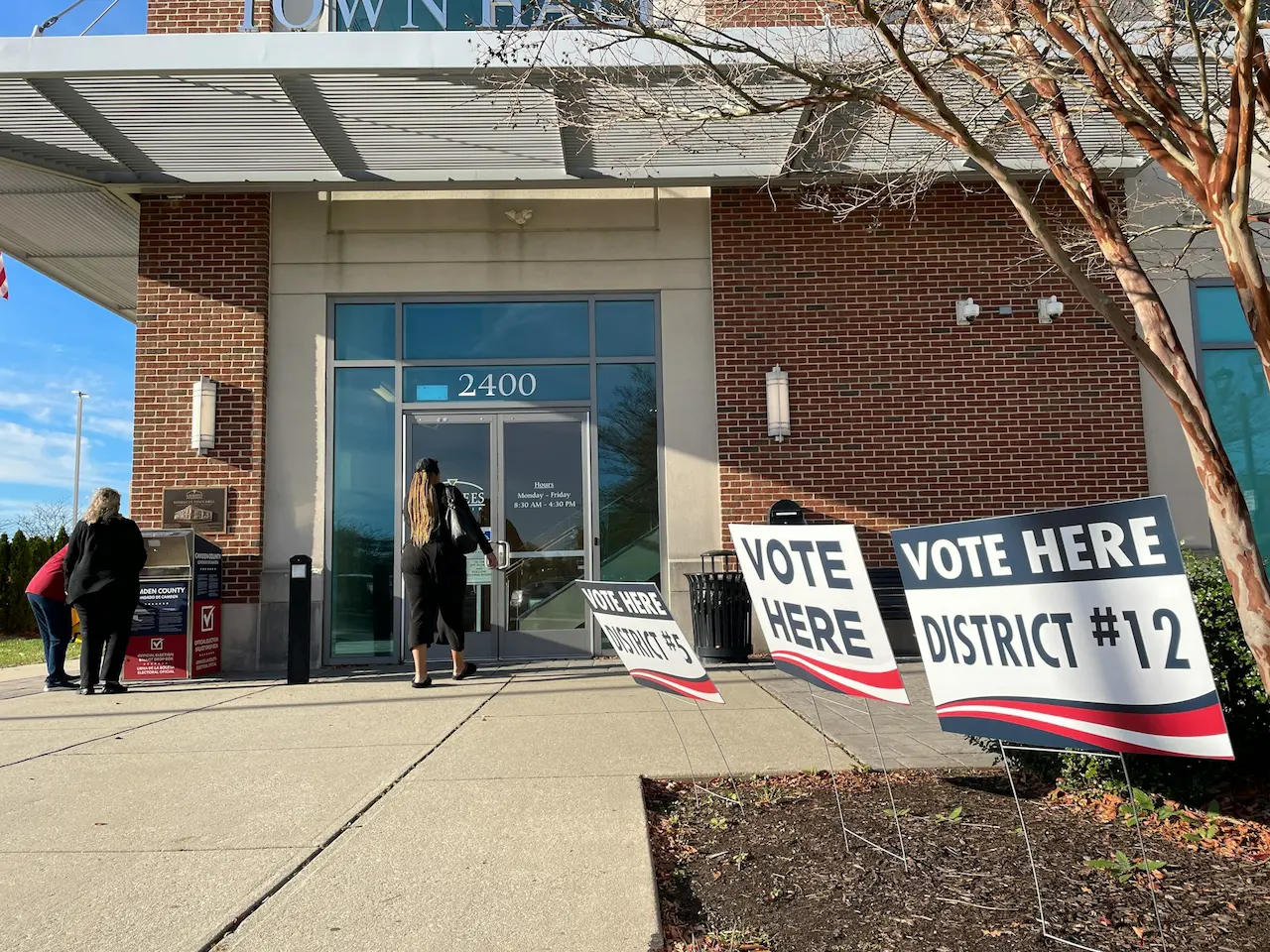
Elections are more than just political events; they are opportunities for communities to express their values and priorities. They bring people together, spark conversations, and encourage individuals to think about the future they want to build.
For parents, elections can be a meaningful way to teach children about decision-making and responsibility. Simple activities like discussing candidates, explaining voting systems, or even simulating a family vote can make these concepts more relatable and engaging.
Beyond the results, the process itself is what strengthens democracy. It ensures that voices are heard, ideas are shared, and leaders are held accountable. Even when a campaign does not succeed, its participation contributes to a system that values inclusion and representation.
Conclusion
The story behind Julian Assange’s Senate run falls short in reflecting both the challenges and the opportunities within Australia’s political system. While the results may not have met expectations, they highlight the importance of strategy, collaboration, and public engagement in shaping electoral outcomes.
Ultimately, elections are about more than winning or losing. They are about participation, learning, and growth both for candidates and for the communities they represent. By understanding these processes, individuals and families can gain a deeper appreciation of democracy and the role they play in it.