The Blogger’s Code is a set of guiding principles designed to help bloggers and online content creators maintain civility, integrity, and respect in the digital world. In an age where social media, blogs, and forums shape public conversation, understanding this code is essential for anyone sharing thoughts, experiences, or expertise online. The Blogger’s Code encourages transparency, honesty, and responsibility, ensuring that bloggers foster a safe and constructive space for their readers.
At its core, the Blogger’s Code is about maintaining personal integrity while contributing meaningfully to the broader online community. It is a reminder that words matter and that a blogger’s influence comes with both opportunity and responsibility.

The Importance of Accountability in Blogging
Blogging is more than just sharing thoughts; it is about creating a space where readers can engage and interact safely. One of the foundational principles of the Blogger’s Code is taking responsibility for your words. Every post, comment, or reply reflects on the blogger, and it is essential to maintain accountability.
Being accountable also extends to moderating the content on your platform. Allowing disrespectful or harmful comments can undermine your credibility and discourage meaningful conversations. Setting clear standards and communicating them to your audience ensures that your blog remains a welcoming and constructive environment.
Parents and educators can appreciate this principle, as it mirrors lessons taught in the real world about respect and integrity. By modelling responsibility online, bloggers also teach younger audiences the importance of considering the impact of their words.
How to Show Gratitude and Respect to Your Readers
A core principle of the Blogger’s Code is recognising the value of your audience. Readers give their time, attention, and sometimes money to engage with your content. Showing genuine appreciation for this trust strengthens your connection with them and fosters a community built on respect and mutual support. Gratitude doesn’t just benefit your readers; it also nurtures a positive mindset that shapes how you create and share your work.
Practising Generosity and Helpfulness
Generosity is another cornerstone of the Blogger’s Code. Sharing knowledge, offering thoughtful advice, or responding to inquiries demonstrates that you value your readers beyond clicks or metrics. Helping others without expecting anything in return builds trust and encourages loyalty over time.
For parents and educators, this principle highlights the importance of teaching children that generosity extends beyond offline life. Whether by offering guidance or sharing useful resources, small acts of support create a ripple effect, promoting collaboration and kindness in online spaces.
Maintaining Honesty and Transparency
Honesty is the backbone of ethical blogging. Promoting ideas, products, or services that you genuinely believe in strengthens credibility, while misleading readers can permanently damage trust. Transparency enhances this relationship further; sharing your thought process, challenges, or decision-making allows readers to connect with the person behind the words.
You don’t need to reveal every personal detail, but showing authenticity makes your content relatable and helps cultivate long-term relationships with your audience. Transparency paired with honesty ensures your readers feel valued and respected, creating a foundation for meaningful engagement.

Ethical Standards for Content
The Blogger’s Code emphasises avoiding content that is abusive, libellous, or violates the privacy of others. Even though the Internet allows for anonymity and instant communication, ethical blogging requires careful consideration of every post. Thoughtless or harmful content can damage reputations, relationships, and trust within online communities.
Misrepresentation or sharing false information can have serious real-world consequences. Legal implications aside, spreading inaccuracies can harm individuals and mislead readers, making it essential for bloggers to verify their sources and maintain accuracy in all content.
By committing to ethical content, bloggers foster a space that encourages learning, dialogue, and respectful debate. This mindset is especially helpful for parents and educators guiding younger users, teaching them to engage responsibly and safely within online communities.
Handling Disagreements and Criticism
Conflict is inevitable in any public forum, but the Blogger’s Code provides guidance on managing it constructively. First, it is essential to address disagreements privately when possible, before responding publicly. This approach reduces unnecessary escalation and ensures that misunderstandings are clarified respectfully.
When faced with criticism, bloggers are encouraged to ignore trolls or inflammatory comments that serve no constructive purpose. Engaging in arguments with malicious actors often worsens the situation, whereas measured responses to legitimate feedback can enhance credibility.
Setting Boundaries for Comments
Managing a comment section responsibly is a key responsibility. The Blogger’s Code suggests clearly defining what acceptable and unacceptable behaviour is. This may include discouraging anonymity to reduce abusive comments, setting rules for civility, and moderating content to maintain a safe and welcoming environment.
By setting boundaries, bloggers not only protect themselves but also model positive online behaviour for younger audiences. Children observing respectful discourse online can learn essential skills for communication, empathy, and digital citizenship.
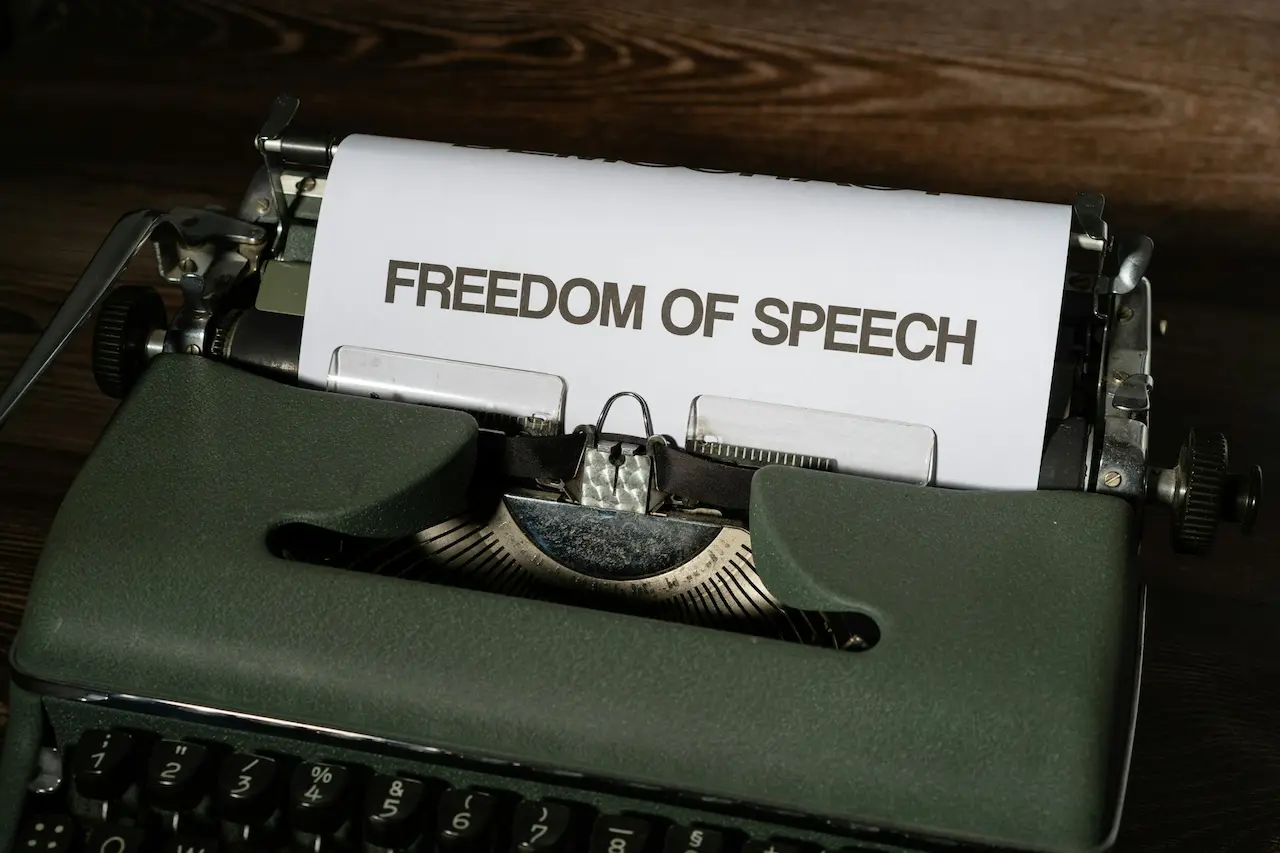
The Role of Freedom of Expression
One of the most important aspects of the Blogger’s Code is supporting freedom of expression. Blogging allows for frank and open conversations, and protecting this freedom is essential for a healthy online community. While moderation is necessary to prevent abuse, it should never stifle genuine dialogue.
Encouraging diverse perspectives strengthens blogs as platforms for learning and discussion. Bloggers can provide space for different viewpoints while still upholding civility, helping readers engage thoughtfully with ideas they may not have encountered otherwise.
Balancing Civility and Expression
Civility does not mean avoiding disagreement. The Blogger’s Code emphasises that you can express differing opinions respectfully. Constructive criticism, debates, and discussions enrich the conversation, creating a blog environment that is informative, thought-provoking, and inclusive.
By maintaining this balance, bloggers create communities where everyone feels safe to contribute. Parents can guide children to understand that disagreements are normal, but the way they are handled reflects character and integrity.
Principles of the Blogger’s Code in Everyday Practice
The Blogger’s Code is not just theoretical; it has practical applications for daily blogging and digital citizenship. By integrating these principles, bloggers can maintain integrity, foster a positive online environment, and teach responsible digital behaviour.
- Don’t require approval or praise: Accept that not every reader will agree with your content. Focus on serving your ideal audience rather than seeking validation from everyone.
- Sell ethically: Only promote products or services that genuinely benefit your audience. Readers value honesty and support over short-term gains.
- Act kindly and generously: Respond to questions, offer guidance, and maintain patience in all interactions. A culture of generosity attracts loyalty and strengthens your community.
- Model digital responsibility: For parents, educators, and mentors, following these practices provides a framework to teach children honesty, civility, and accountability online. By modelling these behaviours, bloggers instil values that extend beyond the digital world, encouraging respectful and meaningful interactions in everyday life.
Following these practices ensures your platform remains a trusted source, reflecting both your expertise and ethical standards.
Conclusion
The Blogger’s Code provides a roadmap for ethical, responsible, and meaningful blogging. By embracing accountability, honesty, transparency, and respect, bloggers create spaces that nurture trust, freedom of expression, and constructive conversation. At its heart, the code reminds us that blogging is not just about sharing ideas; it is about building communities. Being mindful of the impact of our words, treating readers with gratitude, and encouraging positive interactions help bloggers leave a lasting, beneficial impression on their audiences.
Whether you are a seasoned content creator or a new blogger, adhering to the Blogger’s Code ensures your online presence is a force for good. It fosters understanding, respect, and connection in the vast digital world, turning blogging into a platform for meaningful engagement and positive influence.