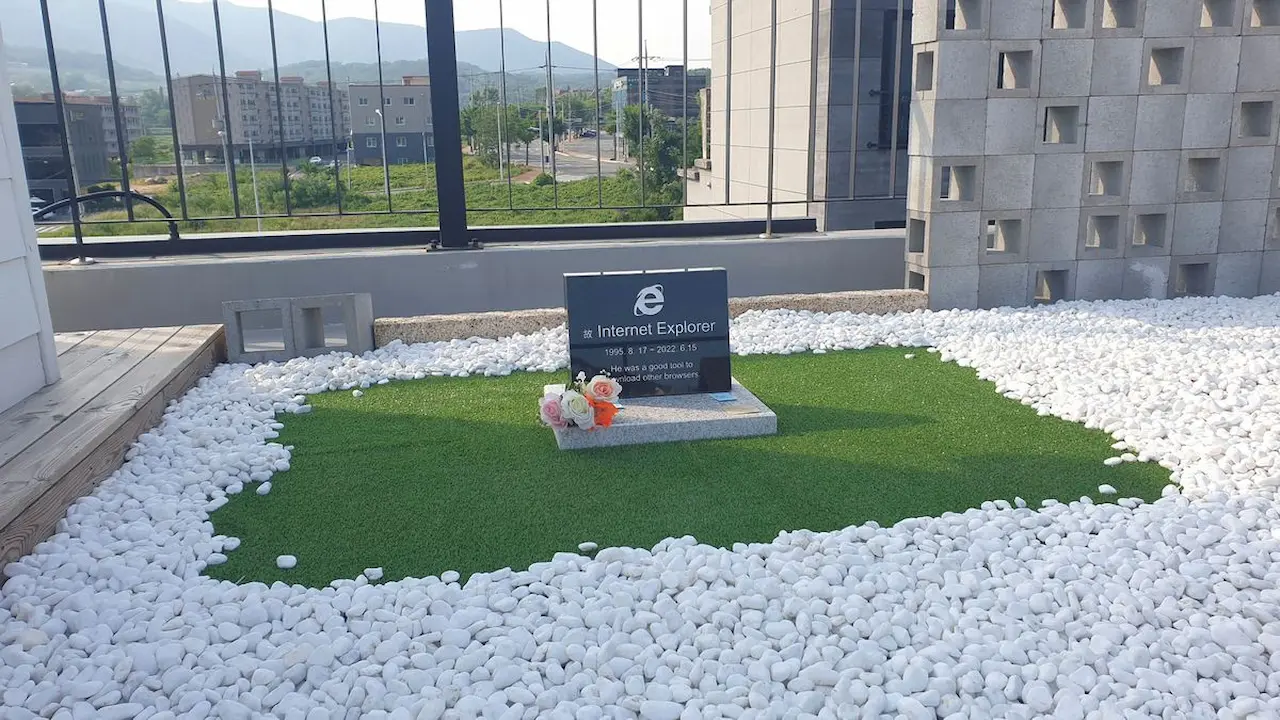
The digital age has seen countless transformations, but few changes resonate as deeply as the retirement of a once-ubiquitous web browser. The end of Internet Explorer marks the close of an era that shaped how we surfed the internet, built websites, and interacted online. In a unique tribute, the legacy of Internet Explorer is now literally memorialised in stone in Gyeongju, South Korea, where a local café honours the iconic browser that once dominated the web.
This unusual monument invites visitors to reflect on the evolution of technology while exploring a location that blends nostalgia with modernity. The memorial isn’t just about software; it’s a celebration of progress, creativity, and the role of the internet in daily life.
The History of the Internet Has Changed
It’s finally happened. After more than 27 years, Microsoft has officially retired Internet Explorer. First launched in the mid-1990s, Internet Explorer was once the dominant browser for millions worldwide. Over the years, it became a staple tool for businesses, schools, and homes, shaping the way people experienced the web.
Although Internet Explorer gradually lost market share as faster, more modern browsers emerged, it remained an important part of web history. Its official retirement on 15 June 2022 was marked by a transition plan to Microsoft Edge, which offers IE mode for legacy websites and applications. This ensures that even as the browser fades from everyday use, its influence and functionality continue to serve those who relied on it.
Visitors to the memorial can reflect on this technological shift and consider how innovation continually reshapes our digital world. It’s a moment to celebrate the progress from clunky interfaces to sleek, modern browsing experiences.
A Memorial for a Browser
In Gyeongju, South Korea, a café features a headstone commemorating Internet Explorer. Commissioned by a local entrepreneur, the memorial’s English inscription humorously reads: “He was a good tool to download other browsers.” This playful tribute highlights the browser’s dual legacy: frustrating at times, yet undeniably pivotal in internet history.
The café itself has become a destination for visitors curious about this quirky monument. While the headstone captures the attention, the café provides a welcoming space for families, tech enthusiasts, and tourists to explore. The setting encourages visitors to reflect on how technology has influenced both work and leisure, all while enjoying a relaxed atmosphere.
This type of memorial is rare, making it a unique spot for those interested in digital history. It’s not only a tribute to Internet Explorer but also a reminder of the human stories intertwined with technological tools, the developers, web designers, and users who depended on the browser for decades.
The Legacy of Internet Explorer
Internet Explorer played a significant role in shaping the internet as we know it. Despite being notorious for performance issues and security challenges, it introduced many people to web browsing and helped establish standards that modern browsers continue to follow. Many businesses and institutions relied on Internet Explorer to ensure compatibility with internal applications, making it a critical tool even as Chrome, Firefox, and Safari gained popularity. Today, Microsoft Edge’s IE mode continues to support these legacy sites, allowing the functionality of Internet Explorer to endure in a modern form.
Visitors to the Gyeongju memorial can appreciate this legacy firsthand. The stone tribute serves as a historical marker, recognising a tool that, while imperfect, helped millions navigate the rapidly expanding digital world. Beyond its practical use, it’s a celebration of the browser’s impact and a reflection of the broader evolution of technology over nearly three decades.

Microsoft Edge: The Successor to Internet Explorer
With the retirement of Internet Explorer, Microsoft Edge has emerged as the new standard for web browsing. Built for speed, security, and compatibility, Edge represents a modern approach to navigating the internet. For users transitioning from Internet Explorer, Edge includes an IE mode that allows older websites and legacy applications to continue functioning seamlessly. This ensures a smooth changeover for businesses, educational institutions, and individuals who still rely on older platforms, without losing access to critical tools or information.
The Gyeongju memorial highlights this ongoing connection between past and present. While it honours the history of Internet Explorer, it also points toward a future where browsing is faster, more secure, and more reliable. Visitors can reflect on the evolution of technology and appreciate how modern innovations often build on the foundations of earlier tools. For parents, educators, and tech enthusiasts alike, this provides a tangible example of progress in digital technology, showing that while software comes and goes, its influence can continue to shape our daily lives.
Exploring Gyeongju Through Technology History
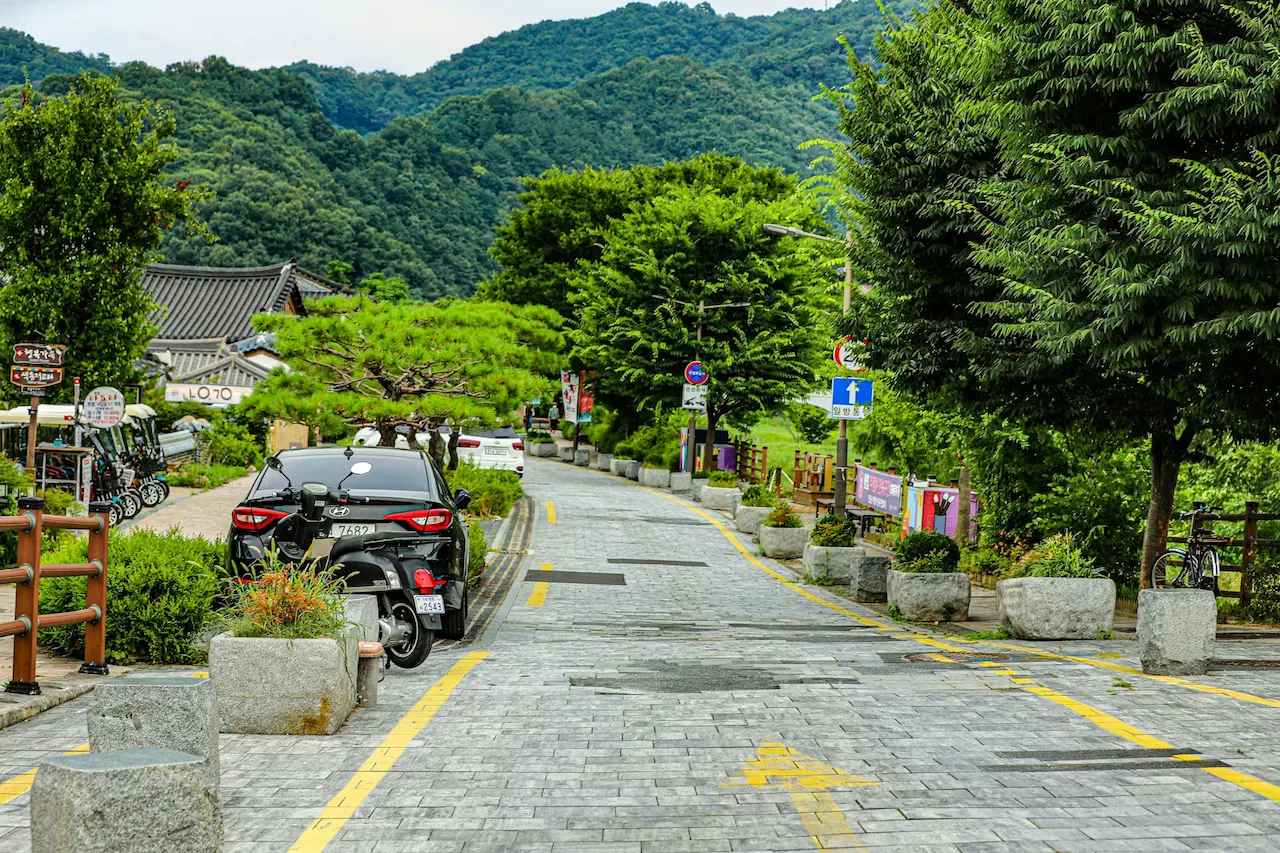
Gyeongju, often known for its rich historical and cultural sites, now offers a modern twist on its attractions. The café featuring the Internet Explorer headstone has become a conversation starter, encouraging both locals and tourists to explore the intersection of technology and everyday life.
Visitors can combine a trip to this unique digital monument with the city’s traditional landmarks, creating a full experience that blends past and present. While the headstone draws tech enthusiasts, the surrounding café provides a comfortable environment for families and travellers, with a focus on storytelling, reflection, and curiosity.
This spot is ideal for those interested in how technology shapes culture. It’s not just about remembering software; it’s about seeing the human connection to innovation, problem-solving, and adaptation over time.
A Love-Hate Relationship With Technology
Many who used Internet Explorer remember it fondly, despite its quirks. The browser often required extra effort to ensure websites displayed correctly, a challenge that taught patience, problem-solving, and adaptability. This “love-hate” relationship resonates with anyone who has navigated technological change.
The memorial captures this sentiment beautifully. Visitors can reflect on the frustrations and triumphs that come with learning new tools, as well as the sense of achievement when older technologies give way to improved solutions. For children and students, it’s an opportunity to learn about persistence, adaptation, and the evolution of digital tools in a hands-on way.
Why Gyeongju, South Korea, Is Worth Visiting?
The Internet Explorer headstone in Gyeongju is more than a quirky landmark; it’s a teaching moment. Parents can use the visit to spark conversations about the history of the internet, how technology evolves, and why certain tools are retired while others endure. For tech enthusiasts, the memorial provides a tangible connection to a pivotal piece of software history, offering a rare opportunity to reflect on how technology influences everyday life, work, and culture. The café surrounding the headstone encourages visitors to linger, providing a comfortable space to enjoy refreshments while discussing or documenting their visit.
Moreover, the memorial represents creativity in commemoration. Rather than following the traditional approach to monuments, it blends humour, history, and digital culture in a way that resonates with a wide audience. This makes it a perfect example of how modern attractions can both educate and entertain, leaving visitors with a memorable experience that combines nostalgia, learning, and appreciation for technological progress.
A Tribute to Internet Explorer
Ultimately, the Gyeongju memorial symbolises progress. From Internet Explorer to Microsoft Edge, the evolution of web browsers reflects the broader pace of technological innovation. The headstone reminds visitors that even tools once considered indispensable eventually give way to newer, better solutions.
Families, students, and tourists can all take away lessons from this tribute. It’s a story about adaptation, embracing change, and appreciating the role of technology in shaping modern life. The memorial’s lighthearted inscription offers humour while honouring the contributions of a browser that, for better or worse, left an indelible mark on the internet.
Planning Your Visit
The café in Gyeongju is accessible and family-friendly, making it an easy stop for travellers exploring the city. Visitors can enjoy a relaxed atmosphere while viewing the Internet Explorer memorial, reflecting on the history of web browsing, and learning how digital tools influence everyday life.
Whether you’re a resident, a tech historian, or a curious tourist, this stop provides insight into the intersection of technology, culture, and human creativity. It’s a memorable experience that combines history, humour, and education, offering a unique perspective on the evolution of the internet.
Conclusion
The end of Internet Explorer may signal the closing of a chapter in web history, but its legacy lives on both in Microsoft Edge and in the heart of Gyeongju, where a stone monument preserves its memory. This unusual memorial encourages visitors to reflect on technological progress, celebrate human ingenuity, and appreciate the tools that have shaped our digital lives.
Whether exploring for education, nostalgia, or curiosity, a visit to the Internet Explorer memorial offers a meaningful and engaging experience. It’s a celebration of innovation, a tribute to the past, and a reminder that progress is something to be marked, remembered, and enjoyed.