Tinder is one of the most popular dating apps on the market. Its reach extends far beyond adult dating. It has opened a door into a world that many teens aren’t prepared for. Recently, a Melbourne-based group launched a bold test to reveal a disturbing reality: Online predators target underage girls using Tinder. The group created a fake Tinder profile of a teenager and observed how men reacted when they learned she was underage. The results were emotional and disturbing, as they showed how easily adults could ignore safety rules. This experiment should serve as a warning to parents, teens and the dating app industry.
The experiment was not designed to shock people as a form of entertainment. It was intended to show how quickly a predator can establish a relationship with teen girls. They wanted to know what men thought when they were willing to meet girls underage. The creators also wanted to demonstrate how many users ignore age warnings. This experiment is important because it shows how dangerous online dating apps for teens can be. This experiment shows how predators use simple conversations to manipulate girls into dangerous situations.

How does the Tinder experiment work?
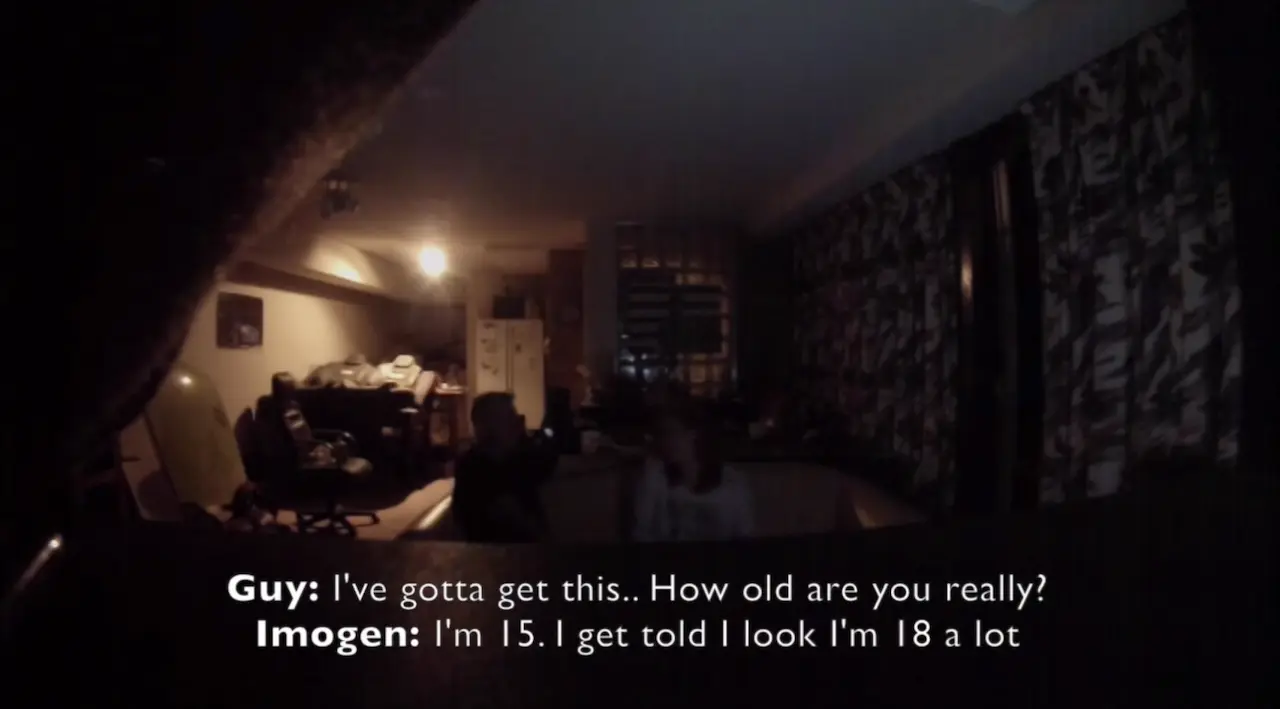
The Tinder Experiment creators remain anonymous, but their actions have ignited major conversations about safety. The creators created a profile of a girl called “Imogen” who was depicted as 15 years old. The profile said she was 18, but her bio explained that she had mistakenly set her Facebook age incorrectly. This was an important part of the experiment because it demonstrated how easily people can lie about their age. When matched with a user, they revealed her real age. Many men continued to talk with her, despite learning that she was underage.
The creators of the show posted a picture in the first episode that implied Imogen was alone at home. Many men responded, asking if Imogen wanted company. Two men agreed to meet. The team invited two men, a 31-year-old and a 44-year-old, to a place where hidden cameras had been set up. The reactions of the men were recorded when the “brother”, who caught them, was able to catch them. They were made to face their actions and were shown what was really going on. This confrontation has a powerful emotional impact because it shows just how detached predators become when they believe no one is watching.
The second episode featured a 42-year-old man named Tobias who invited Imogen into his apartment to have “no strings attached” fun. The creators tried to lure Tobias to the hidden camera but were unsuccessful. They recorded the conversation, and his messages continued. Tobias continued to try to meet up with the woman even after he was exposed. It shows how persistent predators are, even when confronted. This experiment showed that some men will ignore warnings to pursue underage despite being warned.
The Risk and Purpose Behind the Experiment
They admitted that it was physically and emotionally challenging, but felt it necessary to expose the threat. A minimum of four people were present at all times during the confrontations. One man was always close to the actor in case things escalated. The experiment involved real people who had unknown intentions, but their goal was to keep her safe. It is difficult to watch adults follow what they thought was a teenage girl. This shows just how vulnerable girls are online.
The team claimed that it never started conversations or encouraged meetings, and all messages were presented in context. Despite these safeguards, the experiment still revealed the harsh realities of online grooming. It showed how predators are easily tempted to act. The emotional impact of online grooming goes beyond the victims. It creates fear and urges parents to protect their children. The creators said they didn’t intend to humiliate anyone, but rather to bring attention to a bigger problem and encourage better safety measures. The experiment revealed that predators could appear friendly and normal, which is one aspect of grooming that can be frightening.
Hidden Risks of Tinder’s Age Policy
Tinder’s policy on age is one of the most controversial aspects of the experiment. Tinder’s age policy is much lower than that of other dating apps. OKCupid, Grindr and other apps require users to be at least 18 years old. Tinder states that users under 18 can only communicate with unother derage users. Fake profiles can easily circumvent this system. Tinder can be accessed by teens who create fake Facebook accounts claiming to be older.
Adults can also create fake profiles and pretend to be teenagers. The most dangerous aspect of the system is this. Predators may use fake photos or stories to lure users into a conversation. Location features can be used to locate nearby teens. It is because of this that online predators are so frequently targeting underage girls using Tinder. The verification system of the platform is insufficient to stop fake identities. The experiment shows just how quickly predators enter conversations when they think they’re talking to a girl.
Tinder’s numbers indicate that 7 per cent of Tinder users are aged between 13 and 17. Millions of young users could be in danger. The loophole exists even if Tinder restricts interactions between different age groups. Fake profiles or fake ages are easy ways to bypass restrictions. Teenagers may not be aware of the danger. This experiment brings this issue to light.
Predators’ Operational Methods of Grooming and Manipulation
Grooming may not be obvious. Predators usually start with friendly conversations and emotional support. To build trust, they may give compliments or pay attention. They gradually push boundaries and eventually ask for personal details. Even after the girls’ age was revealed, many men still talked to her. This shows that grooming may begin right away. It is possible that predators don’t need to take time to make a decision because they have already made a plan.
Grooming can cause emotional harm that is long-lasting. Even if there is no physical contact, the victim can still feel shame, guilt and fear. Teenagers might not be aware of the manipulation until it’s too late. Predators use psychological techniques to manipulate their victims. The predator may try to make the victim believe that they are special or chosen. They might also threaten the victim with revealing secrets or humiliating them if they refuse.
Parents must teach their children about online safety. Teenagers must understand that not all online adults are harmless. They should be able to recognise the signs of manipulation, and they should avoid having private conversations with strangers. The experiment shows how predators can be persistent. The experiment also demonstrates that predators can persist even after being exposed. Awareness and prevention are essential.
Why Australians should care about this story
Melbourne is known for its vibrant arts scene, strong community culture and activism. It is a city known for its vibrant festivals, street art and coffee culture. This makes it a great place to run a social experiment. Melbourne is known for its history of supporting campaigns to raise awareness of vulnerable groups and has always protected them. This aligns well with values that protect youth. The city’s reputation as a place of social responsibility and experimentation is a good fit for an experiment aimed at exposing online dangers.
Melbourne also has many organisations that are focused on online security and child protection. Schools, community centres, and police departments all work together to educate teens about internet risks. The strong sense of community in Melbourne helps spread awareness of the problem and supports victims. This experiment is a reflection of this spirit and shows that communities can make a difference once they identify an issue. Melbourne was chosen to emphasise the importance of local involvement when addressing global issues. It shows online safety is a public issue that requires the cooperation of families, schools and platforms.
What Can We Do To Improve Safety?
Tinder’s creators are concerned about safety and believe that the protection system of the app needs to be improved. They suggest a manual review and monitoring of content as well as profiles. Tinder should also improve its verification process in order to avoid fake accounts and fake ages. The app should invest in more safety features, such as better reporting tools, faster response times to complaints, and more investment if it becomes more profitable. These improvements will help to reduce the likelihood of predators targeting children.
Tinder, they say, should also monitor “moments” and not just profiles because predators use photos and posts as bait to lure their victims. A robust review system would flag suspicious behaviour quickly and eliminate dangerous users. Tinder should also inform users of the dangers they are facing and give clear instructions about how to report any harmful behaviour. The platform must be transparent with its safety policies and enforcement measures. Tinder should recognise the presence of underage users and place safety as a priority. Safety is not just a tool for marketing. Tinder will continue to expose teens to danger if it is not improved, so now is the time to take action to avoid future harm.

The grey area of “Entrapment”, a legal issue
They explained why they did not. The creators were told that reporting the men could lead to legal problems. They were afraid that their actions might be construed as entrapment. Entrapment is when someone is encouraged to commit a crime that they would otherwise not commit. The creators claimed they had never promised or encouraged anything. The legal risks are still significant.
How can we expose predators while not breaking the law? This experiment demonstrates that exposing predators can be difficult. This requires legal advice and careful planning. It is for this reason that law enforcement should be involved. Police cannot monitor all online conversations. Prevention must be multifaceted.
Victoria Police confirmed that they were aware of the experiment and are investigating its content. The police also encouraged the public to call Crime Stoppers with any information. The seriousness of this issue is evident in the response. This response also shows that public cooperation is required to ensure online safety. Communities must report suspicious behaviours and support victims.
How can parents and teens protect themselves?
Parents should engage in open dialogues about online safety and grooming, and encourage their teens to refrain from sharing personal information. Teens should also be aware of the dangers associated with meeting someone they only know through online communication. Parents can monitor their children’s app usage, use parental controls and still respect their privacy. They should also encourage teens to report any suspicious behaviour immediately. Parents should create an environment that allows teens to express their concerns without fear. Communication can be the difference between a dangerous situation and a successful outcome.
Teenagers must be aware of predators who may appear friendly or normal and use attention or compliments as a way to gain trust. Red flags include requests for secret meetings, private photos or unusual requests for personal information. Teens are advised to avoid giving out personal information and their location, as well as immediately telling a trusted adult when a conversation is uncomfortable. It is important to understand emotional manipulation, as predators can use guilt or pressure on their victims. Teens need to understand that they are not accountable for the actions of other people, and it’s okay to refuse requests or walk away if they feel unsafe.
Conclusion: A wake-up call for everyone
Tinder’s experiment reveals a disturbing truth. Predators on Tinder target underage users and do so without hesitation. The experiment shows that adults can easily find teenagers and groom them through simple conversations. The experiment also reveals the flaws in Tinder’s system of age verification and the dangers associated with fake profiles.
This problem is not confined to a single city or app. This is a problem that affects all families. Parents must remain vigilant, and Tinder must increase safety. Melbourne and other communities can set an example by promoting awareness and supporting prevention. The lesson that is most important is that protecting children and youth online is a shared responsibility.